
Ever wondered what those headlines about US GDP actually mean for your grocery bill or your next paycheck? As an economics journalist covering global markets since 2015, I’ve seen firsthand how seemingly abstract economic indicators directly impact our everyday lives, and understanding the core gdp meaning is more critical than ever.
📋 Table of Contents
It’s easy to dismiss economic data as something only for Wall Street traders or policymakers, but few metrics have as profound and direct an influence on your personal finances as the Gross Domestic Product (GDP). This article will demystify what US GDP represents, how it translates into tangible effects on your wallet, and what you should watch for to make smarter financial decisions.
Understanding What US GDP Really Means
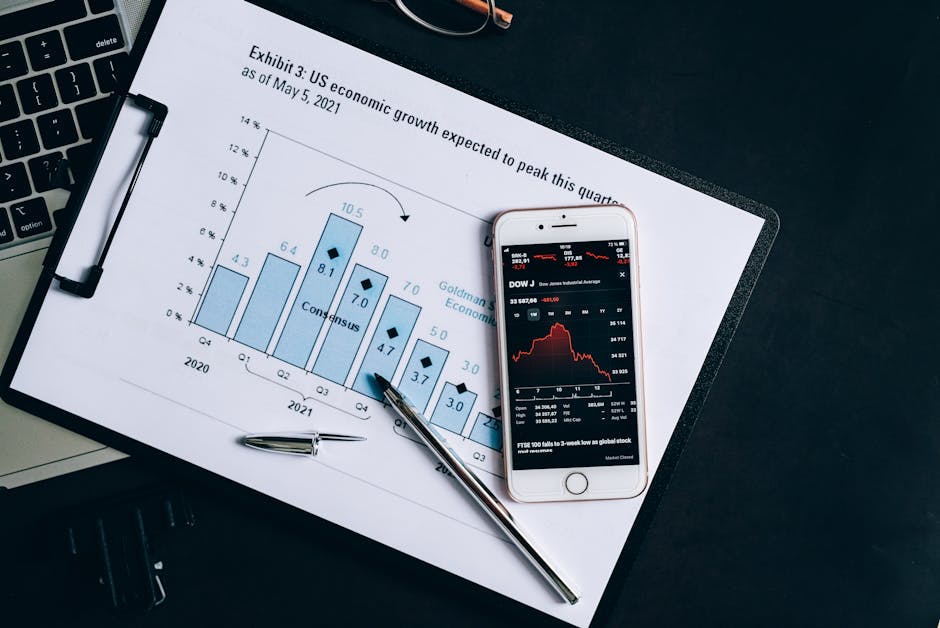
At its heart, US GDP is the total monetary value of all finished goods and services produced within the United United States over a specific period, usually a quarter or a year. Think of it as the ultimate report card for the nation’s economic health and productivity. When economists talk about economic growth, they’re typically referring to the percentage change in real GDP from one period to the next.
The calculation of GDP is often broken down into four main components: consumer spending (C), business investment (I), government spending (G), and net exports (NX – exports minus imports). Each of these elements plays a vital role in painting a complete picture of economic activity. For instance, robust consumer spending signals confidence, while increased business investment suggests future job creation and innovation. (See also: Friedman Was Right, Just Mostly Misquoted: Unpacking the Inflation Debate)
Real vs. Nominal GDP: Why It Matters
When you hear about GDP figures, it’s crucial to distinguish between nominal GDP and real GDP. Nominal GDP measures output using current prices, meaning it can be inflated by rising prices. Real GDP, however, adjusts for inflation, providing a more accurate measure of the actual volume of goods and services produced. This distinction is vital because a country’s nominal GDP might increase significantly, but if inflation is high, the real economic growth might be much less impressive, or even negative.
The U.S. Bureau of Economic Analysis (BEA) reported that real GDP increased at an annual rate of 1.3 percent in the first quarter of 2024, a notable slowdown from the 3.4 percent growth seen in the fourth quarter of 2023. This deceleration highlights how quickly economic conditions can shift and why keeping an eye on these numbers is important.
Comparing these figures across quarters and years gives us a sense of momentum. A sustained period of positive real GDP growth usually indicates a healthy, expanding economy, while consecutive quarters of negative real GDP growth are a key indicator of a recession. This isn’t just an American phenomenon; similar metrics are used globally, for example, when discussing uk gdp, economists are looking at the same fundamental principles of national output.
How US GDP Directly Impacts Your Wallet
The link between broad economic statistics and your personal finances might seem abstract, but it’s remarkably direct. Changes in US GDP ripple through the economy, influencing everything from the availability of jobs to the cost of borrowing money.
Job Market and Income Stability
One of the most immediate ways GDP affects you is through the job market. A strong, growing economy – indicated by healthy GDP expansion – typically leads to lower unemployment rates and increased demand for labor. Businesses are more confident, investing in expansion, which means they hire more people and are often willing to offer higher wages to attract talent. This directly impacts your earning potential and job security.
Conversely, during periods of slow or negative GDP growth, businesses tend to cut back. Hiring freezes, layoffs, and stagnant wage growth become more common. This makes it harder to find a job, negotiate a raise, or even maintain your current position, directly hitting your disposable income and overall financial stability.
Prices, Inflation, and Purchasing Power
GDP growth also has a significant bearing on prices. Rapid economic expansion, if supply cannot keep up with demand, can lead to inflation. More money chasing fewer goods and services means prices go up. This erodes your purchasing power, making your hard-earned money buy less. For example, if GDP is growing strongly and inflation is also high, you might see rising wages, but the actual value of those wages could be diminishing if prices for everyday goods like groceries and fuel are increasing faster.
On the flip side, very weak GDP growth can sometimes lead to deflation, where prices fall. While this might sound good on the surface, widespread deflation can signal a struggling economy, as consumers delay purchases hoping for even lower prices, and businesses struggle with falling revenues.
Interest Rates and Borrowing Costs
The Federal Reserve closely monitors GDP data when making decisions about interest rates. Strong GDP growth often gives the Fed leeway to raise rates to cool down an overheating economy and curb inflation. Higher interest rates mean higher costs for mortgages, car loans, credit card debt, and business loans. This can make it more expensive for you to borrow money for major purchases or to finance existing debt.
If GDP growth is slowing or contracting, the Fed might cut interest rates to stimulate economic activity. Lower rates can make borrowing cheaper, encouraging consumer spending and business investment. This impacts everything from the rate on your savings account (which might fall) to the attractiveness of refinancing your home loan.
Beyond the Numbers: US GDP and Your Daily Life
The influence of US GDP extends beyond just financial transactions. It shapes the environment in which you live, work, and plan for the future.
Consumer Confidence and Spending Habits
When the economy is strong, and GDP is growing, people generally feel more secure about their jobs and financial futures. This boosts consumer confidence, leading to increased spending on discretionary items like vacations, dining out, and new gadgets. This surge in consumer spending, in turn, fuels further economic growth, creating a virtuous cycle.
Conversely, a weakening GDP can make consumers cautious. Fear of job loss or an uncertain economic future often leads people to save more and spend less, particularly on non-essential items. This reduction in spending can further slow down the economy, illustrating the powerful psychological impact of GDP on collective behavior.
Investment Decisions and Wealth Accumulation
For investors, GDP figures are a critical input. A robust GDP indicates a favorable environment for corporate earnings, which can translate into stronger stock market performance. Businesses are more likely to invest in expansion, research, and development during periods of strong growth, leading to potential returns for shareholders. (See also: Student Loan Interest Rate Reduction: Your Wallet & Spending Impact)
Understanding the GDP trajectory can inform your investment decisions, whether you’re adjusting your retirement portfolio or considering purchasing real estate. While past performance is no guarantee of future results, a generally healthy economic outlook tied to consistent GDP growth often correlates with better long-term investment prospects.
Government Spending and Public Services
A growing GDP also means a larger tax base for the government. This allows for increased government spending on public services, infrastructure projects, education, and healthcare. For example, sustained economic growth can fund improvements in public transport, build new schools, or expand social safety nets, directly benefiting citizens.
When GDP shrinks, government revenues decline, often leading to budget cuts or increased borrowing. This can impact the quality and availability of public services you rely on, demonstrating another tangible link between the national economic output and your daily life.
As a journalist, I’ve always found it fascinating how seemingly abstract economic figures like US GDP can have such a tangible, immediate impact on the lives of everyday Americans. It’s not just a number on a chart; it’s a reflection of our collective economic health, influencing everything from the price of petrol to the stability of our jobs. Paying attention to these trends empowers you to navigate your personal finances with greater foresight and resilience.
So, the next time you hear news about the latest US GDP report, don’t just tune it out. Take a moment to consider what it could mean for your job, your savings, and your spending power. By staying informed about the broader economic landscape, you can make more strategic decisions about your own financial future. Equip yourself with this knowledge; it’s an investment in your financial well-being.
❓ Frequently Asked Questions
What is US GDP and why is it important?
US GDP, or Gross Domestic Product, is the total value of all goods and services produced in the U.S. It’s crucial because it’s the primary measure of the nation’s economic health, indicating growth, recession risk, and overall productivity, which affects jobs and prices.
How does US GDP affect interest rates?
Strong US GDP growth often prompts the Federal Reserve to raise interest rates to prevent inflation, making borrowing more expensive. Conversely, weak GDP growth can lead the Fed to lower rates to stimulate the economy, making borrowing cheaper.
Can US GDP predict a recession?
While not a sole predictor, two consecutive quarters of negative real US GDP growth is a commonly accepted technical definition of a recession. It’s a key indicator closely watched by economists and policymakers for signs of economic downturns.
What’s the difference between nominal and real GDP?
Nominal US GDP measures output at current market prices, so it can be inflated by rising prices. Real US GDP adjusts for inflation, providing a more accurate measure of the actual volume of goods and services produced, offering a clearer picture of true economic growth.
How does US GDP influence job growth?
A robust and growing US GDP generally correlates with higher job growth. Businesses expand and hire more when the economy is strong, increasing demand for labor and often leading to lower unemployment rates and rising wages.



0 Comments