

Ever wondered why your favorite imported coffee maker jumped in price, or why your investment portfolio seems to be on a rollercoaster ride? More often than not, the invisible hand of trade wars is at play, subtly yet profoundly reshaping our economic landscape. Since 2015, I’ve covered global markets for AlkaFlow, witnessing firsthand how these disputes, often simmering beneath the surface, can erupt and send ripples through everything from the cost of your groceries to the value of your retirement fund.
📋 Table of Contents
Trade wars, characterized by retaliatory tariffs and other protectionist measures between countries, are not just abstract geopolitical squabbles. They are complex economic phenomena with tangible consequences that reach directly into the pockets of everyday consumers and the portfolios of astute investors. Understanding their mechanisms and impacts is crucial for navigating today’s interconnected global economy, and for making informed financial decisions.
The Direct Hit: How Trade Wars Inflate Consumer Costs
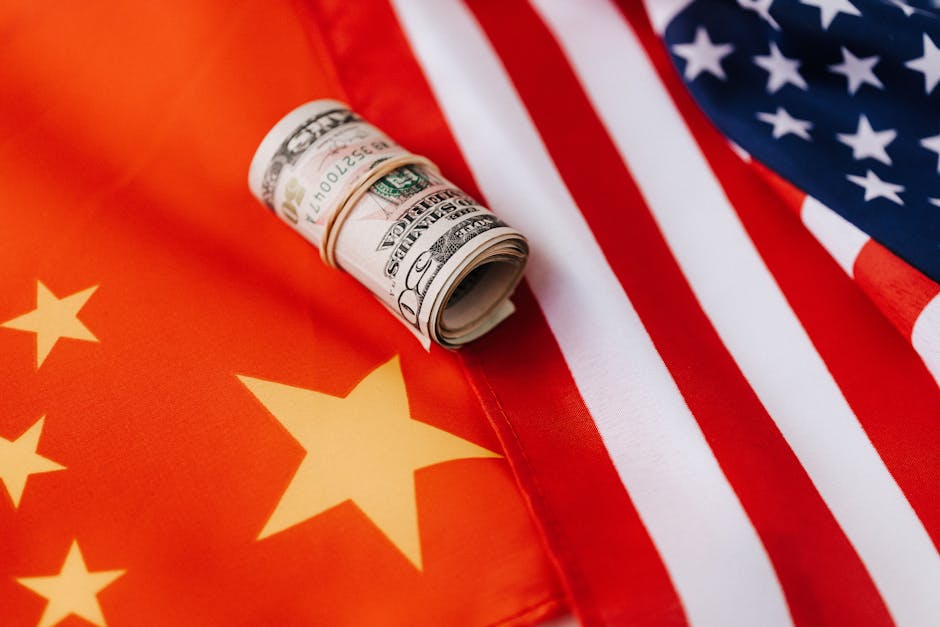
At the most immediate level, trade wars translate into higher prices for goods and services. This occurs primarily through the imposition of tariffs, which are essentially taxes levied on imported products. When a country imposes a tariff on goods from another nation, it makes those goods more expensive for domestic buyers. For instance, during the US-China trade tensions, tariffs were placed on a wide array of products, from electronics to apparel and industrial components.
Consider the washing machine industry: in 2018, the US imposed tariffs on imported washing machines, leading to an immediate price increase of up to 12% for consumers, according to research by the Federal Reserve and the University of Chicago. While the stated goal was to boost domestic manufacturing, the direct consequence for you, the consumer, was paying more for an essential household appliance. This isn’t an isolated incident; similar effects have been observed across various sectors globally whenever tariffs are deployed.
Tariffs and Your Wallet
The increased cost from tariffs rarely remains with the importer. Businesses, facing higher input costs, typically pass these expenses along to the consumer in the form of elevated retail prices. This phenomenon contributes directly to inflation, eroding your purchasing power over time. Even if you’re buying a domestically produced item, it can still be affected; imported components might be subject to tariffs, or domestic producers might raise prices to match the now-higher cost of their imported competitors, creating an overall inflationary environment.
Beyond direct price increases, trade wars can also limit consumer choice. As tariffs make certain imports prohibitively expensive, retailers may opt to stock fewer foreign goods, or remove them entirely. This reduction in competition can also lead to less innovation and lower quality products in the long run, as domestic producers face fewer incentives to improve their offerings. For instance, if tariffs make European specialty cheeses too expensive, local options might become dominant, but without the diversity or unique characteristics that import competition previously fostered.
Navigating the Investor’s Minefield During Trade Wars
For investors, trade wars introduce a significant layer of uncertainty and risk, leading to heightened stock market volatility. The mere threat of new tariffs or retaliatory measures can send markets plummeting, as investors fear reduced corporate earnings and disrupted business models. Companies with extensive international operations or those heavily reliant on imports/exports are particularly vulnerable to these swings.
During peak trade tensions, news headlines about trade negotiations or disputes often dictated daily market movements. Major indices like the S&P 500 would react sharply to pronouncements from political leaders, creating a challenging environment for long-term planning. This uncertainty pushes investors towards safer assets, often leading to a ‘flight to quality’ where government bonds or gold see increased demand, even if their returns are modest.
Stock Market Volatility and Sectoral Impacts
Different sectors experience trade war impacts in distinct ways. Technology companies, for example, often rely on intricate global supply chains that span multiple countries for components, assembly, and distribution. Tariffs on electronic components or restrictions on technology transfers can severely disrupt production schedules, increase manufacturing costs, and potentially force companies to redesign products or re-evaluate their entire operational footprint. Consider the impact on semiconductor manufacturers or smartphone producers, where a single tariff on a critical chip can derail an entire product line.
Agriculture is another sector acutely sensitive to trade disputes. When countries impose retaliatory tariffs, agricultural exports are often among the first targets. For instance, during the US-China trade war, Chinese tariffs on American soybeans drastically reduced demand for US farmers, leading to significant financial losses and requiring government aid programs to mitigate the damage. Similarly, industries like automotive manufacturing, which often involve complex cross-border production networks, face immense pressure when tariffs are applied to parts or finished vehicles.
The Ripple Effect on Global Supply Chains
One of the most profound and lasting effects of trade wars is the pressure they exert on global supply chains. For decades, companies optimized their production processes by sourcing components and manufacturing goods wherever it was most efficient and cost-effective. Trade wars challenge this fundamental principle, forcing businesses to consider ‘de-risking’ or ‘re-shoring’ their operations. This might involve moving factories, finding new suppliers, or investing in domestic production capabilities.
While some might argue this strengthens domestic industries, the process of reconfiguring supply chains is incredibly costly, time-consuming, and often leads to less efficient, more expensive production. A report by the World Trade Organization (WTO) estimated that global trade growth slowed significantly during periods of heightened trade tensions, illustrating the chilling effect on cross-border commerce and investment. The long-term implication is a potential fragmentation of the global economy, making it harder for companies to achieve economies of scale and innovate efficiently. (See also: What a Strong US Dollar Means for Emerging Market Economies | AlkaFlow)
Broader Economic Implications and What Comes Next
Beyond direct consumer costs and investor anxieties, trade wars have a broader, more insidious impact on overall economic growth. Reduced international trade means less business activity, fewer investments, and ultimately, a slower expansion of the economy. The International Monetary Fund (IMF) has repeatedly warned that ongoing trade tensions pose a significant risk to the global economic outlook, potentially shaving points off global GDP growth forecasts.
Job markets can also suffer. Industries that rely heavily on exports might face reduced demand, leading to layoffs. Conversely, some domestic industries might see a temporary boost, but this is often outweighed by the overall drag on the economy. The interconnectedness of modern economies means that a trade dispute between two major players can quickly cascade into a global slowdown, affecting countries far removed from the initial conflict.
Currency Fluctuations and International Relations
Trade wars often go hand-in-hand with currency fluctuations. Countries might be accused of deliberately devaluing their currency to make their exports cheaper and offset the impact of tariffs, a practice known as ‘currency manipulation.’ This can lead to further instability in global financial markets and exacerbate international tensions. A weaker currency might help exporters in the short term, but it also makes imports more expensive, again contributing to domestic inflation.
Moreover, trade wars are not just about economics; they are deeply intertwined with geopolitics. They can strain diplomatic relations, undermine international cooperation, and even lead to broader political conflicts. The trust built over decades of multilateral trade agreements can erode quickly, making it harder to address other global challenges like climate change or pandemics. This complex interplay of economic and political factors makes trade wars particularly challenging to resolve and their consequences far-reaching.
Long-Term Investment Strategies in Volatile Times
For investors, understanding these broader implications is key to developing resilient portfolios. Diversification across different asset classes, geographies, and industries becomes even more critical. Investing in companies with strong domestic markets or those less reliant on specific global supply chains might offer some insulation. Furthermore, paying close attention to macroeconomic indicators and central bank policies, which often react to trade war pressures, can provide valuable insights.
It’s also worth remembering that market reactions to trade war news can sometimes be overblown. While short-term volatility is common, fundamentally strong companies often recover. A long-term perspective, coupled with a well-researched investment strategy, remains a powerful defense against the emotional swings that trade disputes can induce. (See also: How Rising Oil Prices Fuel Inflation & Reduce Purchasing Power)
The impact of trade wars is undeniable, extending from the grocery aisle to the highest echelons of global finance. As an economics journalist who has covered these dynamics since 2015, I’ve seen how quickly they can shift the economic narrative and force businesses and consumers to adapt. The intricate dance between nations, balancing protectionism with global cooperation, will continue to shape our economic realities.
For you, the consumer, staying informed about global trade policies means being prepared for potential price shifts and supply disruptions. For the investor, it means exercising caution, maintaining a diversified portfolio, and understanding that geopolitical tensions are now a permanent fixture in investment risk calculations. The best defense is always knowledge and a well-thought-out plan. Remain vigilant, adapt where necessary, and continue to seek out credible information to guide your financial decisions in an ever-changing world.
❓ Frequently Asked Questions
What is a trade war?
A trade war occurs when countries impose tariffs or other trade barriers on each other’s goods in retaliation for similar actions. It’s essentially a cycle of escalating protectionist measures that disrupt normal international trade.
How do tariffs impact consumer prices?
Tariffs are taxes on imported goods. When imposed, they increase the cost for importers and businesses, which typically pass these higher costs onto consumers through increased retail prices. This can lead to higher inflation and reduced purchasing power.
Which industries are most affected by trade wars?
Industries heavily reliant on global supply chains, such as technology and automotive, and those dependent on exports, like agriculture, are often most impacted. They face increased costs, disrupted production, and reduced demand for their products.
How can investors protect their portfolios during trade wars?
Investors can protect their portfolios by diversifying across different asset classes, geographies, and industries. Focusing on companies with strong domestic markets or those less exposed to specific global supply chains can also help mitigate risk. Maintaining a long-term perspective is crucial.
Do trade wars ever benefit anyone?
While trade wars generally harm overall economic growth and consumer welfare, some domestic industries might see a temporary boost in demand due to reduced competition from imports. However, these benefits are often outweighed by the broader negative economic consequences and retaliatory measures.




0 Comments