
Ever wonder why the price of your favorite imported gadget suddenly jumps, or why market volatility seems to spike without warning? Often, the answer lies in the complex, far-reaching consequences of global trade disputes. Understanding how trade wars impact consumers and investors is no longer just a concern for economists; it’s a critical piece of knowledge for anyone navigating today’s interconnected financial landscape.
📋 Table of Contents
At AlkaFlow, we’ve seen firsthand how shifts in international trade policy can send ripples through every segment of the economy, from the largest multinational corporations to the smallest household budgets. These aren’t abstract concepts confined to diplomatic negotiation rooms; they are powerful forces that directly influence your purchasing power, your job security, and the value of your hard-earned investments. Let’s peel back the layers and examine the multifaceted effects of these economic skirmishes.
Understanding the Shifting Sands of Global Trade
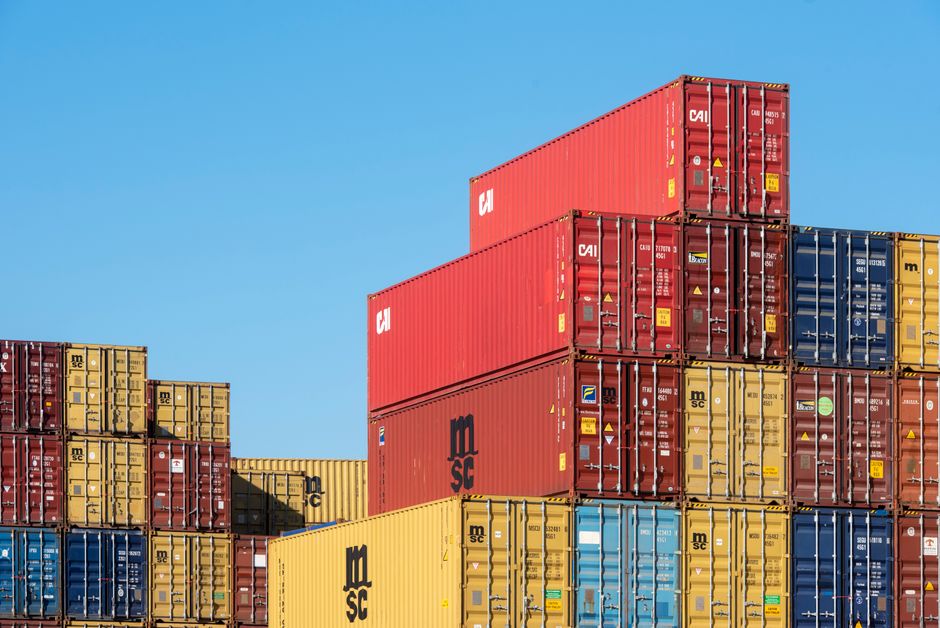
At its core, a trade war is an economic conflict between countries, characterized by protectionist policies. The most common weapon in this arsenal is the tariff – a tax imposed on imported goods and services. A country might impose tariffs to protect domestic industries, retaliate against perceived unfair trade practices, or exert political pressure. However, these actions rarely occur in a vacuum; they almost invariably provoke reciprocal tariffs or other non-tariff barriers from the targeted nation, escalating into a full-blown trade war.
Consider the recent history of the U.S.-China trade war, which began in 2018. The U.S. imposed tariffs on steel, aluminum, and a wide array of Chinese goods, citing intellectual property theft and unfair trade practices. China retaliated with tariffs on U.S. agricultural products, automobiles, and other exports. This cycle of escalation created significant global trade tensions, forcing businesses worldwide to re-evaluate their sourcing and distribution strategies. These disputes can severely disrupt established economic relationships and create a climate of unpredictability. (See also: Friedman Was Right, Just Mostly Misquoted: Unpacking the Inflation Debate)
Beyond tariffs, countries might employ other tactics such as import quotas, subsidies for domestic industries, or complex regulatory barriers to restrict trade. Each of these measures contributes to a more complex and often more costly global trading environment. The initial intent might be to protect specific national interests, but the broader consequences often extend far beyond the negotiating table, impacting everyday individuals and sophisticated financial portfolios alike. (See also: Unlocking Potential: The Digital Economy in a Globalized World)
The Direct Hit: How Trade Wars Impact Consumers and Everyday Spending
For the average person, the most immediate and tangible effect of a trade war is often a hike in prices. When tariffs are imposed on imported goods, the cost of bringing those goods into the country increases. Businesses typically absorb some of this cost, but a significant portion is almost always passed on to the consumer in the form of higher retail prices. For instance, during the U.S.-China trade war, tariffs on washing machines led to an estimated 12% price increase for consumers, even for domestically produced models, as foreign competitors faced higher costs.
This translates directly into reduced purchasing power. Your dollar simply buys less than it did before, creating an inflationary pressure across various sectors. Beyond the direct price increases, trade wars can also lead to fewer product choices. Companies facing prohibitive tariffs might opt to stop importing certain goods altogether, limiting consumer options and stifling innovation that often comes from international competition. You might find your favorite brand is no longer available, or that substitutes are more expensive and of lower quality.
“The immediate impact of tariffs is almost always felt by the end consumer. Businesses are not charities; they will pass on increased costs wherever possible, shrinking household budgets and potentially dampening overall economic activity.” – Dr. Elena Petrova, International Trade Economist, commenting on tariff impacts.
Another significant, albeit less direct, impact is the potential for job losses. Industries heavily reliant on exports to countries that have imposed retaliatory tariffs may see a decline in demand for their products. This can lead to production cutbacks, layoffs, and a general slowdown in economic growth within those sectors. Farmers, for example, were severely hit during the U.S.-China trade war as China drastically reduced its imports of American agricultural products, causing significant financial strain and uncertainty for many rural communities.
Furthermore, trade wars are a major source of supply chain disruptions. Companies that have built efficient, global supply chains over decades suddenly face punitive taxes on their components or finished products. This forces them to seek new suppliers, often at higher costs or with longer lead times, leading to production delays, shortages, and ultimately, higher prices and reduced availability for consumers. The ripple effect can be profound, making it clear that trade wars impact consumers and investors in very tangible and challenging ways.
Navigating Volatility: The Investment Landscape Amidst Trade Wars
For investors, trade wars introduce a significant layer of economic uncertainty and market volatility. Stock markets often react sharply to news of tariff announcements or trade negotiations, reflecting investor fears about corporate earnings and future economic growth. Companies with extensive international operations or those heavily reliant on imports/exports are particularly vulnerable. A tech company manufacturing in China but selling in the U.S., for instance, faces dual pressure from tariffs on its components and finished goods.
Sector-specific impacts can be severe. Export-oriented industries like agriculture, automotive, and manufacturing are often hit hardest, seeing their profit margins squeezed and their market access curtailed. Conversely, some domestic industries that compete with imported goods might see a temporary boost due to reduced foreign competition, but this is often short-lived as retaliatory tariffs target their own exports or inputs. The overall effect is a redistribution of economic activity, often creating winners and losers that are difficult to predict.
Currency Fluctuations and Emerging Markets
Trade wars also exert pressure on currency markets. When a country imposes tariffs, its currency might weaken as investors anticipate slower economic growth and reduced trade. This can make imports more expensive and exports cheaper, potentially offsetting some of the tariff effects, but it also adds another layer of complexity and risk for international investors. For those of us specializing in emerging markets, this is particularly pertinent. Developing economies are often more exposed to global trade flows and tend to have less resilient financial systems to absorb external shocks. A trade war between major powers can quickly lead to capital flight, currency depreciation, and increased borrowing costs for emerging market nations, exacerbating their vulnerabilities.
The cumulative effect of these tariff impacts, supply chain reconfigurations, and market jitters is a general slowdown in global economic growth. The International Monetary Fund (IMF) has repeatedly warned that trade tensions dampen business investment and confidence, leading to lower GDP growth projections worldwide. This broader slowdown naturally translates into reduced corporate earnings and, consequently, lower returns for investors across various asset classes.
Strategies to Mitigate Risk: Preparing for How Trade Wars Impact Consumers and Investors
Given the pervasive influence of trade wars, both consumers and investors need proactive strategies to navigate these turbulent waters.
For Consumers:
- Budget Adjustment: Be prepared for potential price increases on imported goods. Re-evaluate your budget and identify areas where you can adjust spending.
- Seek Alternatives: Explore domestically produced goods or products from countries not involved in the trade dispute. This can often help you find more stable pricing.
- Stay Informed: Keep an eye on news related to trade policy. Understanding which sectors or products might be affected can help you anticipate price changes.
For Investors:
- Portfolio Diversification: This timeless strategy becomes even more crucial during periods of trade tension. Diversifying across different asset classes (stocks, bonds, real estate), geographies (developed vs. emerging markets, different regions), and sectors can help cushion the blow from specific industry or country-specific tariffs.
- Focus on Resilient Sectors: Consider investing in companies with strong domestic demand, robust balance sheets, and less reliance on international trade for their core business. Utilities, consumer staples, and healthcare often demonstrate more resilience during economic downturns.
- Long-Term Perspective: Market volatility is a hallmark of trade wars. Avoid making rash decisions based on short-term headlines. A long-term investment horizon allows you to ride out temporary dips and benefit from eventual market recoveries.
- Monitor Global Macro Trends: For emerging market specialists like myself, understanding the geopolitical undercurrents driving trade policy is paramount. Pay close attention to trade agreements, diplomatic relations, and economic indicators from key trading blocs.
Ultimately, while we can’t control government policy, we can control how we react and prepare. Proactive planning and a well-informed approach are your best defenses against the economic fallout of trade conflicts.
Conclusion
The intricate web of global trade means that disputes between nations inevitably cascade down, affecting everyone. From the rising cost of your morning coffee to the fluctuating value of your retirement fund, trade wars impact consumers and investors in profound and often unpredictable ways. While the headlines often focus on political rhetoric and high-level negotiations, the real-world consequences are felt in households and investment portfolios across the globe.
As a financial journalist specializing in emerging markets, I’ve observed that these trade tensions can disproportionately affect smaller, more open economies, making strategic foresight even more vital. My personal conviction is that transparency and preparedness are the strongest tools we have. By understanding the mechanisms and potential fallout, you empower yourself to make more informed financial decisions, whether you’re adjusting your household budget or rebalancing your investment portfolio. Stay vigilant, stay informed, and remember that adaptability is key in navigating the ever-evolving landscape of global economics.
❓ Frequently Asked Questions
What is a trade war?
A trade war is an economic conflict between countries characterized by the imposition of tariffs or other trade barriers on each other’s goods, often in retaliation for perceived unfair trade practices. This typically leads to a cycle of escalating protectionist measures.
How do tariffs affect consumer prices?
Tariffs increase the cost of imported goods, which businesses often pass on to consumers through higher retail prices. This reduces consumer purchasing power and can contribute to overall inflation within the economy.
What are the main impacts of trade wars on investors?
Trade wars introduce market volatility, increase economic uncertainty, and can negatively impact corporate earnings, especially for companies reliant on international trade. They can also lead to currency fluctuations and disproportionately affect emerging markets.
How can consumers mitigate the effects of a trade war?
Consumers can mitigate the effects by adjusting their budgets, seeking out domestically produced goods or alternatives from unaffected countries, and staying informed about which products or sectors might be impacted by new tariffs.
What investment strategies are recommended during trade wars?
During trade wars, investors should prioritize portfolio diversification across asset classes and geographies, consider resilient sectors, maintain a long-term investment perspective, and closely monitor global macroeconomic and geopolitical trends.



0 Comments