

That familiar sting at the gas pump isn’t just a minor inconvenience; it’s a potent signal of deeper economic shifts. When we talk about rising oil prices, we’re not just discussing the cost to fill your tank; we’re delving into a fundamental force that fuels inflation across the entire economy and, ultimately, reduces your purchasing power.
📋 Table of Contents
As a financial journalist and certified financial planner, I’ve seen firsthand how these global energy fluctuations translate into tangible impacts on household budgets. Understanding this intricate relationship is crucial for navigating today’s economic landscape and making informed financial decisions. Let’s explore how crude oil’s journey from the well to your daily life dictates far more than just your commute.
The Domino Effect: How Rising Oil Prices Ripple Through the Economy
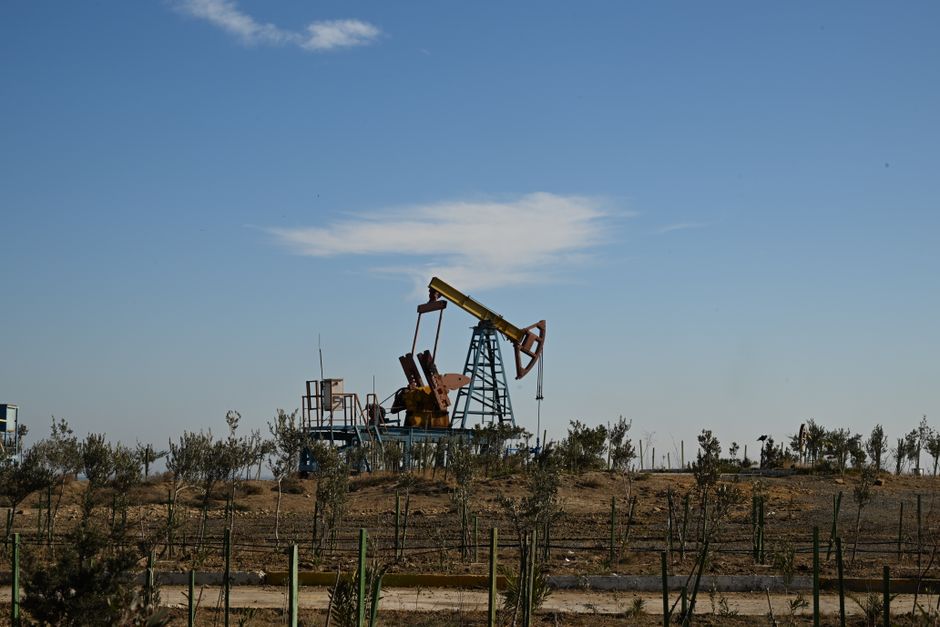
Think of crude oil as the lifeblood of the global economy. Its price isn’t confined to gasoline; it’s embedded in almost every product and service we consume. When the cost of this foundational commodity increases, it triggers a cascading series of price hikes that touch nearly every sector.
The most immediate and obvious impact is on transportation. From the massive container ships crossing oceans to the eighteen-wheelers delivering goods to your local supermarket, nearly all commercial transport relies on diesel fuel. Higher fuel costs for these logistics providers mean they must pass those increased expenses onto businesses. A manufacturer paying more to receive raw materials, or a retailer paying more to stock shelves, will inevitably adjust their prices upwards to maintain profit margins. This direct pass-through mechanism is a primary driver of broader inflationary pressures.
From Farm to Table: The Impact on Food Prices
Consider your grocery bill. It’s not just the gas to drive to the store. The entire agricultural sector is heavily dependent on oil. Tractors and harvesting equipment run on diesel, fertilizers are often petroleum-based, and packaging materials frequently derive from petrochemicals. Then, once crops are harvested, they need to be transported, sometimes across vast distances, to processing plants and then to your grocery store. Each step in this intricate supply chain adds a layer of cost directly influenced by oil prices. A significant spike in oil can quickly translate into higher prices for everything from bread and milk to fresh produce, making essential goods more expensive for everyone.
“Economists estimate that for every $10 increase in the price per barrel of oil, global inflation can rise by approximately 0.2-0.5 percentage points, depending on various other market factors and the elasticity of demand.” – International Monetary Fund (IMF) analysis
Your Wallet Under Pressure: Rising Oil Prices and Reduced Purchasing Power
While businesses grapple with increased operational costs, you, the consumer, experience the pinch directly in your wallet. The most direct hit is the higher cost of driving your car, which immediately reduces your disposable income. However, the impact extends far beyond your daily commute, permeating nearly every aspect of your financial life.
When the cost of producing and transporting goods rises, these increases are ultimately borne by consumers. This means you’re paying more for the same basket of goods and services you purchased last year. For example, if gas prices rise by 20% and grocery prices by 10%, your salary, even if it remains the same, effectively buys less. This erosion of your money’s value is the essence of reduced purchasing power.
The Stealthy “Inflation Tax”
This phenomenon is often referred to as an “inflation tax.” It’s not a tax levied by the government, but rather a hidden cost that chips away at your savings and earnings. Your emergency fund, your retirement savings, and even the cash in your checking account lose value over time when inflation is high. For instance, if you have $10,000 saved, and inflation is running at 5% annually due in part to high energy costs, your $10,000 will only buy what $9,500 did a year ago. This makes it harder to save for future goals, pay down debt, or simply maintain your current standard of living. For many families, this translates into a significant increase in their overall cost of living.
The cumulative effect can be substantial. Families might find themselves cutting back on discretionary spending, delaying major purchases like a new car or home improvements, or even struggling to meet basic needs. This reduction in consumer spending can then slow down economic growth, creating a challenging environment for businesses and workers alike. It’s a cycle where high energy prices can restrain economic vibrancy.
Strategies for Navigating High Energy Costs and Protecting Your Finances
While you can’t control global oil markets, you can certainly take steps to fortify your personal finances against the ripple effects of rising oil prices. Proactive planning and smart financial habits are your best defense.
Practical Steps to Mitigate Impact
- Re-evaluate Your Budget: Start by scrutinizing your current spending. Identify areas where you can cut back, especially discretionary expenses. Allocate more funds to essential categories like groceries and transportation, acknowledging their increased cost.
- Reduce Energy Consumption: At home, this means optimizing heating and cooling, unplugging unused electronics, and switching to energy-efficient appliances. For your commute, consider carpooling, public transport, or optimizing driving routes to minimize fuel usage. Even small changes can add up.
- Build a Robust Emergency Fund: A strong emergency fund, ideally 3-6 months of living expenses, provides a critical buffer against unexpected cost increases without forcing you into debt. This enhances your overall financial resilience.
- Explore Investment Strategies: Consider investments that perform well during inflationary periods, such as Treasury Inflation-Protected Securities (TIPS), real estate, or commodities (with caution and professional advice). Diversifying your portfolio can help protect your wealth against erosion.
- Advocate for Wage Increases: If possible, engage in discussions with your employer about cost-of-living adjustments or performance-based raises to help your income keep pace with inflation.
Broader Economic Considerations and Monetary Policy
Central banks often respond to persistent inflationary pressures, partly driven by high energy costs, by adjusting monetary policy. This typically involves raising interest rates to cool down the economy and bring inflation under control. While this can be effective, it also means higher borrowing costs for mortgages, car loans, and credit cards, adding another layer of financial burden for consumers and businesses alike. Understanding these broader dynamics helps you anticipate potential changes in interest rates and plan your borrowing and saving accordingly. Maintaining economic stability is a delicate balance.
The Path Forward: Adapting to Energy Price Volatility
The interplay between global energy markets and your personal finances is undeniable and complex. Rising oil prices are a significant factor driving inflation and eroding the value of your hard-earned money. It’s a constant challenge that requires both a keen awareness of economic forces and a proactive approach to managing your personal finances.
As a personal finance coach, I always emphasize that while external factors are often beyond our control, our response to them is entirely within our power. By understanding the mechanisms at play, adapting your budget, reducing energy consumption, and strategically planning your investments, you can significantly mitigate the impact of energy price volatility on your financial well-being. It’s about being prepared, being resilient, and taking charge where you can. (See also: What a Strong US Dollar Means for Emerging Market Economies | AlkaFlow)
❓ Frequently Asked Questions
How do rising oil prices directly lead to inflation?
Rising oil prices increase the cost of transportation for goods and raw materials across all industries. Businesses pass these higher freight and operational costs onto consumers through increased prices for products and services, which is a direct form of inflation.
What is ‘purchasing power’ and how does it relate to oil prices?
Purchasing power refers to the value of a currency in terms of the goods and services it can buy. When oil prices rise, they fuel inflation, meaning prices for goods and services increase. If your income doesn’t rise at the same rate, your money buys less, thereby reducing your purchasing power.
Besides gas, what everyday items are affected by high oil prices?
Many items are affected beyond gas. This includes food (due to transport, fertilizer, and packaging costs), plastics, clothing, pharmaceuticals, and utility bills (as electricity generation often relies on fossil fuels). Essentially, anything that needs to be manufactured or transported is impacted.
What can individuals do to protect their finances from rising energy costs?
Individuals can mitigate the impact by creating a detailed budget, reducing personal energy consumption (at home and for transport), building a robust emergency fund, and exploring investments that can hedge against inflation. Advocating for wage increases is also a proactive step.
Do central banks intervene when oil prices cause inflation?
Yes, central banks often monitor oil prices and their inflationary effects closely. If inflation becomes persistent and threatens economic stability, they may use monetary policy tools, such as raising interest rates, to cool down the economy and bring inflation back to their target levels.



0 Comments