

Are you seeing headlines about Bitcoin, Ethereum, and the volatile world of digital assets and wondering if it’s for you? If you’ve been asking how to invest in cryptocurrency for beginners, you’re not alone. The digital asset space has grown from a niche interest to a trillion-dollar industry, attracting both seasoned investors and curious newcomers. But before you dive in, understanding the landscape and the smart way to approach it is crucial.
📋 Table of Contents
As a certified financial planner and financial journalist, my goal at AlkaFlow is to provide you with clear, actionable insights, demystifying complex financial topics. Today, we’re tackling the exciting yet often intimidating world of crypto, focusing specifically on a beginner’s perspective and its implications for the broader crypto market today. We’ll explore everything from the foundational concepts to practical steps, ensuring you’re equipped to make informed decisions.
The Digital Frontier: Understanding What is Cryptocurrency
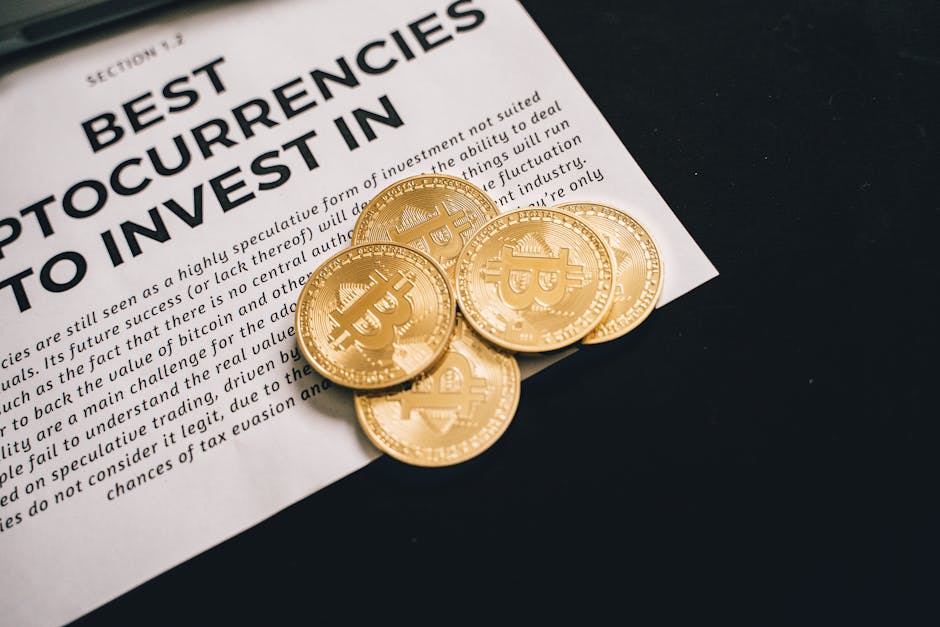
Before putting any capital to work, it’s essential to grasp the fundamental concept: what is cryptocurrency? At its core, cryptocurrency is a decentralized digital or virtual currency secured by cryptography, making it nearly impossible to counterfeit or double-spend. Most cryptocurrencies are based on blockchain technology, a distributed ledger enforced by a disparate network of computers. This technology ensures transparency and immutability, meaning once a transaction is recorded, it cannot be altered. (See also: Stablecoin Chargebacks: Crypto’s Latest Innovation Embracing Traditional Finance)
The first and most famous cryptocurrency, Bitcoin, was created in 2009. Since then, thousands of other digital assets have emerged, collectively known as altcoins. These include Ethereum, which powers smart contracts and decentralized applications (dApps), Solana, known for its high transaction speeds, and various stablecoins like USDT or USDC, which are pegged to fiat currencies to reduce volatility. Understanding these types of cryptocurrency is your first step in identifying potential investment opportunities, but remember, each comes with its own unique purpose, technology, and risk profile.
“The global cryptocurrency market cap, despite its volatility, frequently hovers between $1 to $2 trillion, indicating significant investor interest and a maturing, albeit still nascent, asset class.” – CoinMarketCap data, Q4 2023
The appeal of crypto lies in its potential for high returns, its role as a hedge against inflation (for some), and its innovative technological underpinnings. However, this potential is accompanied by significant risks, primarily due to extreme price volatility and a rapidly evolving regulatory environment. For beginners, distinguishing between legitimate projects and speculative ventures is a critical skill that develops over time with diligent research.
Your First Steps: How to Invest in Cryptocurrency for Beginners
So, you’ve done your homework and you’re ready to take the plunge. Here’s a practical guide on how to invest in cryptocurrency for beginners, starting with the very first steps. The most important rule of thumb is to only invest what you can afford to lose. This isn’t traditional stock market investing; crypto markets are notoriously volatile, and significant price swings are commonplace.
1. Choose a Reputable Exchange
The easiest way to buy cryptocurrency is through a centralized cryptocurrency exchange. These platforms act as intermediaries, allowing you to buy, sell, and trade various digital assets. Look for exchanges that are regulated in your region, have strong security measures (like two-factor authentication), and offer a user-friendly interface. Popular choices include Coinbase, Binance, Kraken, and Gemini. Each platform has different fee structures and available cryptocurrencies, so it’s wise to compare a few before committing.
2. Set Up and Fund Your Account
Once you’ve chosen an exchange, you’ll need to create an account. This typically involves a Know Your Customer (KYC) process, where you provide personal identification to comply with anti-money laundering regulations. This is a crucial step for your security and regulatory compliance. After your account is verified, you can link a bank account, debit card, or use other payment methods to deposit funds. Most exchanges support fiat currency deposits (USD, EUR, GBP, etc.).
3. Make Your First Purchase and Secure Your Assets
With funds in your account, you can now purchase your desired cryptocurrency. Start small, perhaps with a well-established asset like Bitcoin or Ethereum, to get a feel for the process. After your purchase, consider how you’ll secure your assets. While exchanges offer custodial wallets, many investors opt for self-custody using hardware wallets (cold storage) or software wallets (hot storage) for greater control and security. This is particularly important if you hold a significant amount of crypto. Just as you’d ensure you have the best laptop for work to handle sensitive financial documents, maintaining a secure, updated device dedicated to your crypto activities can significantly reduce risks.
Navigating the Crypto Market Today: Implications and Opportunities
Understanding how to invest in cryptocurrency for beginners isn’t just about buying coins; it’s also about grasping the broader market dynamics. The crypto market today is a complex ecosystem influenced by technological innovation, regulatory shifts, macroeconomic factors, and investor sentiment. We’ve seen periods of explosive growth, like Bitcoin’s surge to nearly $69,000 in late 2021, followed by significant downturns, such as the bear market of 2022.
One of the most significant implications for the market today is the evolving regulatory landscape. Governments worldwide are grappling with how to classify and regulate digital assets, leading to varying legal frameworks that can impact market sentiment and the viability of certain projects. For instance, the Securities and Exchange Commission (SEC) in the U.S. continues to engage in legal battles over whether certain cryptocurrencies should be classified as securities, which could have profound implications for their trading and distribution.
Beyond Traditional Investments: Niche Markets
Beyond mainstream investment, cryptocurrencies are finding applications in diverse sectors. For example, the emergence of sports betting cryptocurrency platforms showcases how digital assets are enabling new forms of online commerce and entertainment. These platforms leverage blockchain for transparent transactions and often offer unique benefits like lower fees or enhanced privacy. While interesting, these specialized applications typically carry higher risks and are often more suitable for experienced users rather than beginners, highlighting the broad spectrum of crypto engagement.
Another crucial implication is the rise of institutional adoption. Major financial players, from hedge funds to large corporations, are increasingly allocating capital to digital assets or building infrastructure around them. This institutional interest can bring more stability and legitimacy to the market over the long term, but it also means retail investors are competing in a more sophisticated environment.
Building a Resilient Portfolio: Long-Term Strategies
For those learning how to invest in cryptocurrency for beginners, developing a long-term strategy is paramount. Hype cycles and ‘get-rich-quick’ schemes are common in crypto, but sustainable wealth building requires discipline and a well-thought-out approach. Here are some key strategies to consider:
- Dollar-Cost Averaging (DCA): Instead of investing a lump sum, commit to investing a fixed amount of money at regular intervals (e.g., $100 every month). This strategy helps mitigate the impact of volatility by averaging out your purchase price over time.
- Diversification: While tempting to go all-in on one promising altcoin, diversification is key. Spread your investments across different types of cryptocurrency – perhaps a mix of Bitcoin, Ethereum, and a few smaller, promising projects after thorough research.
- Research Diligently: Don’t just invest based on social media buzz. Understand the project’s whitepaper, its technology, its team, its use case, and its community. Look for real-world utility and a clear roadmap.
- Security First: Always prioritize the security of your assets. Use strong, unique passwords, enable two-factor authentication (2FA) on all accounts, and consider cold storage for larger holdings. Be wary of phishing scams and unsolicited offers.
- Stay Informed: The crypto space evolves rapidly. Keep up with news, regulatory changes, and technological developments. Reputable financial news outlets, like AlkaFlow, can be excellent resources.
Remember, the crypto market is still relatively young and highly speculative compared to traditional asset classes. While the allure of significant gains is strong, the potential for substantial losses is equally present. Approaching it with a measured, informed perspective is the path to responsible investing. (See also: Crypto Long & Short: Six Signs a Crypto Winter is Ending | AlkaFlow)
Embarking on the journey of digital asset investing can be incredibly rewarding, but it demands caution and continuous learning. My professional experience has taught me that sound financial decisions always begin with education and a clear understanding of risk. For those asking how to invest in cryptocurrency for beginners, the answer lies in starting small, researching thoroughly, and never committing more capital than you are prepared to lose.
The crypto market today is dynamic, innovative, and increasingly integrated into the broader financial world. By following the steps outlined above and maintaining a disciplined approach, you can explore this exciting frontier responsibly. Take the time to understand the technology, evaluate the risks, and build a strategy that aligns with your financial goals. Your journey into crypto should be an informed one.
❓ Frequently Asked Questions
What are the absolute first steps for a beginner to invest in cryptocurrency?
The absolute first steps involve educating yourself on what cryptocurrency is, understanding its inherent risks, choosing a reputable crypto exchange, and setting up a verified account. Always start by investing a very small amount that you are comfortable losing to get familiar with the process.
What is the safest way to store cryptocurrency once I buy it?
For larger amounts, a hardware wallet (cold storage) is generally considered the safest way to store cryptocurrency, as it keeps your private keys offline. For smaller amounts or active trading, a reputable exchange’s wallet with strong security features like two-factor authentication can be sufficient, but always be aware of the risks associated with third-party custodians.
How much money should a beginner invest in cryptocurrency?
A beginner should only invest an amount they are entirely prepared to lose. Due to crypto’s high volatility, it’s advisable to start with a very small, manageable sum, perhaps 1-5% of your total investment portfolio, and gradually increase it as you gain experience and understanding.
Are there tax implications for investing in cryptocurrency?
Yes, investing in cryptocurrency has significant tax implications. Depending on your jurisdiction, buying, selling, trading, or even spending cryptocurrency may be considered a taxable event. It’s crucial to keep meticulous records of all your transactions and consult with a qualified tax professional to understand your obligations.
How can I avoid scams and make sure my crypto investments are legitimate?
To avoid scams, always do thorough research on any project or platform before investing. Stick to well-known, regulated exchanges and established cryptocurrencies. Be wary of unsolicited offers, promises of guaranteed high returns, and projects without clear whitepapers or transparent teams. Never share your private keys or seed phrases with anyone.




0 Comments