
Imagine the stock market as a vast ocean. Sometimes it’s calm, with gentle ripples and predictable tides. Other times, it’s a tempest, with waves crashing, currents shifting violently, and horizons obscured. This turbulent state, the rapid and often unpredictable price movements in financial markets, is precisely what we refer to as market volatility.
📋 Table of Contents
For many investors, volatility is a source of anxiety, prompting impulsive decisions that can derail carefully constructed portfolios. Yet, understanding its nature is the first step toward harnessing its potential rather than becoming a victim of its whims. As someone with 12 years navigating Wall Street’s ebbs and flows, I’ve seen firsthand how crucial a clear perspective on market movements can be for your financial health. (See also: Blue-Chip Stocks: Your Path to Consistent Dividends & Long-Term Wealth | AlkaFlow)
Understanding Market Volatility: The Basics
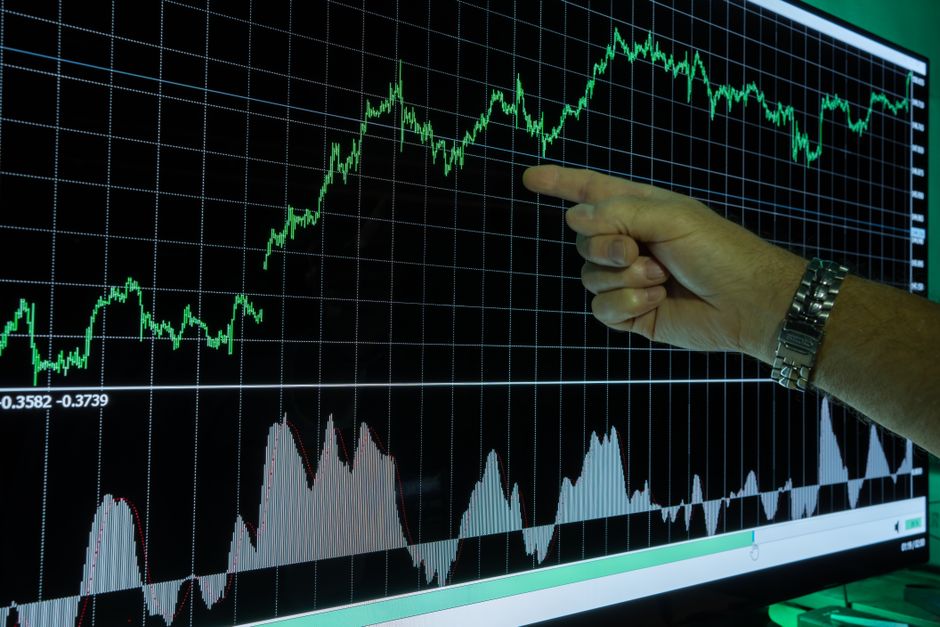
At its core, market volatility measures how much the price of an asset, or the market as a whole, deviates from its average over a given period. Higher volatility indicates larger and more rapid price swings, both up and down, while lower volatility suggests more stable price action. It’s often expressed as the standard deviation of returns, a statistical measure that quantifies the dispersion of a set of data points around their mean.
One of the most widely recognized gauges of market volatility is the CBOE Volatility Index, or VIX. Often called the ‘fear index,’ the VIX reflects the market’s expectation of future volatility over the next 30 days, derived from the prices of S&P 500 index options. A high VIX reading typically signals investor apprehension and an expectation of significant market turbulence, whereas a low VIX suggests a calmer outlook. Historically, sharp spikes in the VIX have coincided with major market downturns, such as the 2008 financial crisis or the COVID-19 pandemic in early 2020.
It’s vital to distinguish between historical volatility, which looks at past price movements, and implied volatility, which is forward-looking and based on options prices. While a period of high historical volatility can be unsettling, it doesn’t necessarily dictate future movements. However, it does highlight the inherent unpredictability of markets, reminding us that past performance is not indicative of future results. For the astute investor, understanding these dynamics provides a foundational element for informed decision-making.
The Drivers and Impact of Market Volatility
What fuels these market swings? The sources of market volatility are diverse and often interconnected, ranging from broad macroeconomic forces to specific company news. Economic indicators play a significant role; unexpected shifts in inflation rates, interest rate decisions by central banks, GDP growth figures, or unemployment reports can send ripples throughout the market. For instance, an unexpected jump in inflation might signal tighter monetary policy, leading to a sell-off in growth stocks.
Geopolitical events, too, are powerful catalysts. Wars, trade disputes, political instability in key regions, or even major elections can introduce significant uncertainty, causing investors to re-evaluate risk and leading to rapid price adjustments. Consider the impact of Russia’s invasion of Ukraine, which sent energy and commodity prices soaring and created widespread global economic instability. Corporate earnings reports, mergers and acquisitions, technological breakthroughs, or even major product recalls can also trigger substantial movements in individual stock prices and, by extension, broader market sectors. (See also: Mastering Technical Analysis Basics: Candlesticks, RSI, and MACD Explained)
“Volatility is not risk; it is the price of admission to long-term gains. The true risk lies in not understanding it or allowing it to dictate your decisions.” – Benjamin Graham (paraphrased)
Beyond these tangible factors, **investor psychology** exerts a profound influence on market volatility. Fear and greed, herd mentality, and confirmation bias can amplify market movements far beyond what underlying fundamentals might suggest. During periods of panic, investors may indiscriminately sell assets, driving prices lower, while during times of irrational exuberance, they might chase overvalued assets, creating bubbles. Recognizing these behavioral biases in yourself and others is a critical component of effective **risk management** in volatile times. The emotional toll of watching your portfolio fluctuate can be immense, often tempting investors to abandon their well-laid plans at precisely the wrong moment.
Navigating Market Volatility: A Strategic Approach for Investors
Given the inevitability of market volatility, the question isn’t whether to avoid it, but how to effectively manage it. A robust **investment strategy** is your most powerful tool. The first pillar of defense is **diversification**. Spreading your investments across different asset classes (stocks, bonds, real estate, commodities), industries, geographies, and company sizes can significantly reduce the impact of a downturn in any single area. If one sector is struggling, others may be performing well, helping to balance your overall portfolio returns. A truly diversified portfolio acts like a shock absorber, cushioning the blows of market turbulence.
Another cornerstone is a commitment to **long-term investing**. Historically, markets have trended upwards over extended periods, despite numerous corrections and bear markets. Trying to time the market – buying at the bottom and selling at the top – is notoriously difficult, even for seasoned professionals. Instead, focusing on the long haul allows you to ride out short-term fluctuations and benefit from the power of compounding. For example, the S&P 500 has experienced 38 bear markets (declines of 20% or more) since 1928, yet its average annual return over the past 95 years is approximately 10-12%. Patient investors who stayed the course through these volatile periods were ultimately rewarded.
Consider implementing dollar-cost averaging, where you invest a fixed amount of money at regular intervals, regardless of market conditions. This strategy means you buy more shares when prices are low and fewer when prices are high, effectively averaging out your purchase price over time. It removes emotion from the investment process and is a highly effective way to build wealth systematically. Furthermore, periodically rebalancing your portfolio back to its target asset allocation ensures you’re not overexposed to any single asset class and helps you systematically sell high and buy low.
Building Resilience in the Face of Market Volatility
Beyond specific investment techniques, developing a resilient mindset is paramount when confronting market volatility. One of the most common pitfalls investors face is making emotional decisions during periods of stress. Panicking and selling off assets when the market is down often locks in losses and prevents you from participating in the inevitable recovery. Instead, view downturns as potential opportunities to acquire quality assets at reduced prices, much like a savvy shopper at a clearance sale.
Maintain a clear understanding of your personal financial goals and your tolerance for risk. This foundation will help you stick to your **investment strategy** when fear tries to creep in. Ensure you have an adequate emergency fund – typically 3-6 months of living expenses – held in easily accessible, liquid accounts. This prevents you from being forced to sell investments at an inopportune time to cover unexpected expenses. Having this financial cushion provides a psychological buffer during market unrest, allowing your long-term investments to remain untouched.
Stay informed about economic trends and geopolitical developments, but avoid excessive daily market monitoring that can fuel anxiety. Focus on the bigger picture and the long-term fundamentals of your investments rather than short-term noise. Consult with a qualified financial advisor who can help you develop a personalized plan, manage your emotions, and provide objective guidance during turbulent times. Their expertise can be invaluable in keeping your portfolio aligned with your objectives, especially when the headlines seem dire.
As James Carter, I’ve witnessed firsthand the profound impact that both fear and discipline can have on an investor’s journey. What separates successful investors from those who falter isn’t their ability to predict the future, but their unwavering commitment to a well-thought-out plan and their capacity to remain calm under pressure. Market volatility is an inherent feature of investing, not a bug to be avoided. It tests our conviction, but it also presents opportunities for those prepared to embrace it with patience and a strategic mindset.
Ultimately, navigating **market volatility** successfully isn’t about avoiding the storm, but learning how to sail through it. By understanding its drivers, implementing sound strategies like diversification and long-term investing, and maintaining a disciplined approach, you can transform periods of uncertainty into opportunities for long-term wealth creation. Don’t let the waves of fear wash away your financial future; instead, use them to propel you forward.
❓ Frequently Asked Questions
What is market volatility?
Market volatility refers to the rapid and often unpredictable price movements of financial assets or the market as a whole. It’s typically measured by the standard deviation of returns and indicates the degree of price fluctuation over a given period.
Is market volatility always a bad thing for investors?
While high volatility can be unsettling due to increased risk and potential for losses, it also presents opportunities for savvy investors. Downturns can allow for purchasing quality assets at lower prices, which can lead to significant gains during a recovery.
How is market volatility measured?
Market volatility is commonly measured using statistical methods like standard deviation of returns. The CBOE Volatility Index (VIX), often called the ‘fear index,’ is a popular real-time market index that represents the market’s expectation of future volatility over the next 30 days.
What are the best strategies to deal with market volatility?
Effective strategies include diversification across asset classes, committing to long-term investing, practicing dollar-cost averaging, periodically rebalancing your portfolio, and maintaining a robust emergency fund. It’s also crucial to manage investor psychology and avoid emotional decisions.
Should I sell all my investments when market volatility is high?
No, panicking and selling investments during high market volatility often locks in losses and prevents you from participating in the eventual market recovery. Instead, focus on your long-term investment strategy, consult a financial advisor, and consider opportunities to buy at lower prices.



0 Comments