

The financial markets are a constant ebb and flow, but few tides grab the world’s attention quite like a surging US dollar. When we talk about a strong US dollar, it’s not just an abstract economic indicator; it’s a powerful force that reshapes the global economic landscape, especially for emerging market economies. Understanding its implications is crucial for investors, policymakers, and anyone with a stake in global finance.
📋 Table of Contents
For over a decade, the dollar has enjoyed periods of significant strength, driven by factors ranging from robust US economic growth and hawkish Federal Reserve policies to its perennial status as a safe-haven asset during times of global uncertainty. This strength, while perhaps a point of pride for American consumers buying imported goods, presents a complex web of challenges and, surprisingly, some opportunities for developing nations. Let’s unravel what this means.
The Double-Edged Sword: How a Strong US Dollar Impacts Emerging Markets’ Finances
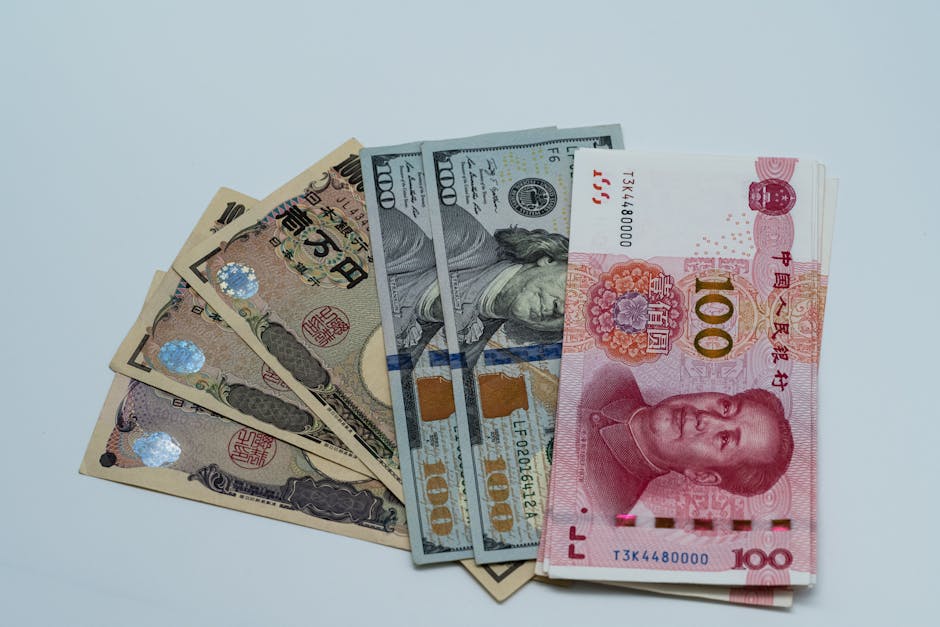
One of the most immediate and significant impacts of a strong US dollar on emerging markets is felt in their financial systems. Many emerging market economies (EMEs) have substantial portions of their public and private debt denominated in US dollars. When the dollar appreciates against their local currencies, the cost of servicing and repaying this debt skyrockets.
Escalating Debt Servicing Costs
Imagine your mortgage payment suddenly doubling because the currency you earn in has halved against the currency your loan is denominated in. This is the stark reality for many EMEs. For example, if an emerging market country borrowed $100 billion when its currency was 10 units to the dollar, and now it’s 12 units to the dollar, the cost of repaying that $100 billion in local currency terms has effectively increased by 20%. This isn’t theoretical; it’s a constant pressure. The Institute of International Finance (IIF) has repeatedly highlighted the vulnerability of EMEs, noting that total emerging market debt surpassed $100 trillion in recent years, with a significant portion denominated in foreign currencies.
“The rising cost of dollar-denominated debt can quickly strain public finances, forcing governments to make difficult choices between essential public services and debt repayment.” – James Carter, AlkaFlow
This situation can lead to sovereign debt crises, as seen in countries like Argentina and Turkey in various periods, where local currency depreciation made their dollar-denominated debt unsustainable. For companies within these countries, particularly those without dollar revenues, the burden is equally severe, increasing the risk of defaults and bankruptcies.
The Threat of Capital Flight
Another critical financial vulnerability is capital flight. When the dollar strengthens, global investors, especially those seeking yield, are often drawn back to the perceived safety and higher returns of US assets. This typically means selling off assets in emerging markets – stocks, bonds, and direct investments – and converting the proceeds back into dollars. This outflow of capital puts further downward pressure on local currencies, exacerbating the debt problem and reducing the availability of funds for domestic investment.
The infamous ‘Taper Tantrum’ of 2013, when the Federal Reserve signaled a reduction in its quantitative easing program, served as a stark reminder of how quickly capital can flee EMEs in anticipation of higher US interest rates and a stronger dollar. This phenomenon can destabilize financial markets, deplete foreign exchange reserves, and create a vicious cycle of currency depreciation and economic contraction. (See also: Start Your Journey: Free Online Courses to Learn Investing From Scratch)
Beyond Debt: Trade, Inflation, and the Ripple Effects of US Dollar Strength
The impact of a strong US dollar extends far beyond financial accounts, permeating various aspects of emerging market economies, from the cost of everyday goods to their global trade standing.
Inflationary Pressures and Cost of Living
For many EMEs, a significant portion of their imports – from essential foodstuffs and medicines to industrial components and energy – are priced in US dollars. When their local currency weakens against the dollar, these imported goods become more expensive. This directly translates into inflationary pressures, increasing the cost of living for ordinary citizens. Central banks in these countries are then often forced to raise interest rates to combat inflation, which, while necessary, can stifle economic growth and make credit more expensive for businesses and consumers.
Consider a country like India, which imports a substantial amount of oil. A strong dollar makes crude oil more expensive in rupee terms, leading to higher fuel prices and a ripple effect across the economy, impacting transportation costs and manufacturing inputs. Similarly, countries reliant on imported technology or agricultural products face similar dilemmas.
Impact on Commodity Prices
The relationship between the US dollar and commodity prices is complex but generally inverse. Since many global commodities (oil, gold, copper, wheat) are denominated in dollars, a stronger dollar typically makes them more expensive for buyers using other currencies. This can dampen demand, leading to lower dollar-denominated commodity prices. For commodity-exporting EMEs, like Brazil or South Africa, this can be a double blow: their export revenues decline in dollar terms, while their local currency revenues might not offset the loss due to dollar strength.
Conversely, commodity-importing EMEs face the dual challenge of paying more in local currency for commodities that might also be seeing price increases due to other global factors. This intricate dynamic requires careful navigation by policymakers.
Export Competitiveness: A Mixed Bag
One might assume that a weaker local currency makes an emerging market’s exports cheaper and thus more competitive internationally. This is true to a certain extent. Countries like Mexico or Vietnam, which are significant exporters of manufactured goods, could potentially see a boost in their export competitiveness if their currencies depreciate against the dollar.
However, this benefit is often mitigated. If the exported goods rely heavily on imported components (which become more expensive due to the strong dollar), the cost advantage is diminished. Furthermore, the benefit of cheaper exports might not translate into significantly higher export volumes if global demand is weak or if trade barriers are in place. The overall effect on trade balances is nuanced and depends heavily on the specific structure of each economy’s imports and exports.
Strategies for Resilience: How Emerging Markets Adapt
Despite the formidable challenges posed by a strong US dollar, emerging market economies are not without tools and strategies to mitigate its adverse effects. Over the years, many have built stronger institutional frameworks and learned valuable lessons from past crises.
Building Robust Foreign Exchange Reserves
One primary defense mechanism is maintaining substantial foreign exchange reserves. These reserves, often held in stable currencies like the US dollar, euro, or yen, act as a buffer. They can be used by central banks to intervene in currency markets, either to slow down rapid local currency depreciation or to meet foreign currency obligations, providing stability during periods of market stress and capital outflows.
Prudent Debt Management
EMEs have also become more sophisticated in managing their debt. This includes diversifying borrowing sources, issuing more local currency debt, hedging foreign currency exposures, and focusing on sustainable debt levels. The International Monetary Fund (IMF) actively works with countries to strengthen their debt management frameworks and reduce vulnerabilities to external shocks.
Structural Reforms and Economic Diversification
Ultimately, long-term resilience comes from fundamental economic strength. This involves implementing structural reforms to improve productivity, attract foreign direct investment, and diversify export bases away from over-reliance on a few commodities or trading partners. Countries like Vietnam and Bangladesh, for instance, have successfully diversified their export baskets, making them less susceptible to commodity price swings and more robust against currency fluctuations.
Strengthening domestic financial markets, improving governance, and fostering a robust business environment also play a crucial role in enhancing an economy’s ability to withstand external shocks and reduce the likelihood of capital flight.
As a senior financial analyst, I’ve watched these dynamics play out in real-time across countless markets. The dance between a surging dollar and the resilience of emerging economies is a perpetual narrative, reflecting both the interconnectedness of our global financial system and the unique vulnerabilities within it. It’s a reminder that while the US dollar holds immense power, the ingenuity and adaptability of developing nations should never be underestimated. (See also: Top Budgeting Apps That Actually Help You Save Money | AlkaFlow)
The journey for emerging market economies amidst a strong US dollar is undoubtedly challenging, demanding astute economic management and proactive policy responses. For investors, it means heightened scrutiny and a nuanced understanding of individual country fundamentals. For policymakers, it requires foresight and the courage to implement difficult but necessary reforms. The narrative isn’t just about survival, but about seizing opportunities to build more resilient, diversified, and sustainable economies in a volatile world.
❓ Frequently Asked Questions
Why does a strong US dollar hurt emerging market economies?
A strong US dollar typically hurts emerging market economies by increasing the cost of servicing their dollar-denominated debt, making imported goods more expensive (leading to inflation), and potentially triggering capital flight as investors move funds to safer US assets. These factors can destabilize local currencies and financial markets.
What is ‘capital flight’ and how is it related to the US dollar?
Capital flight refers to the rapid outflow of assets and money from a country due to an event of economic or political instability. When the US dollar strengthens, often driven by higher US interest rates or global risk aversion, investors may sell off assets in emerging markets and convert them to dollars, seeking higher returns or safer havens, thus causing capital flight.
Can a strong dollar ever benefit an emerging market economy?
While generally challenging, a strong dollar can offer some limited benefits. For emerging markets that are significant exporters of goods with low import content, a weaker local currency (due to dollar strength) can make their exports cheaper and more competitive on the global market. However, this benefit is often outweighed by the costs of higher debt servicing and inflation.
What measures can emerging markets take to mitigate the impact of a strong US dollar?
Emerging markets can mitigate the impact by building substantial foreign exchange reserves, diversifying their debt to reduce dollar dependency, implementing prudent fiscal and monetary policies, and undertaking structural reforms to strengthen their economies and attract stable foreign direct investment. Hedging strategies for foreign currency exposures also play a role.
How does a strong dollar affect commodity prices for emerging markets?
Since many global commodities are priced in US dollars, a strong dollar typically makes them more expensive for buyers using other currencies. This can lead to lower demand and potentially lower dollar-denominated commodity prices, negatively impacting commodity-exporting emerging markets. Conversely, commodity-importing EMEs face higher costs in local currency terms.



0 Comments