

Imagine a tiny snowball rolling down a hill, gathering more snow with every revolution, growing exponentially larger as it descends. That, in essence, is the power of compound interest – a financial phenomenon that legendary physicist Albert Einstein purportedly called the ‘eighth wonder of the world.’ It’s not just a theoretical concept; it’s a tangible force that can transform modest savings into significant wealth, and understanding why starting early matters most is the key to unlocking its full potential for your financial future.
📋 Table of Contents
For 12 years, I’ve watched markets ebb and flow from the vantage point of Wall Street, and one consistent truth shines through: time is the most valuable asset an investor possesses. The magic isn’t in finding the next hot stock, though that certainly helps; it’s in consistently harnessing the principle of compounding. We’re talking about earning returns not only on your initial investment but also on the accumulated interest from previous periods. This creates an accelerating growth curve that can be breathtaking over decades.
Understanding the Mechanism: How the Power of Compound Interest Works
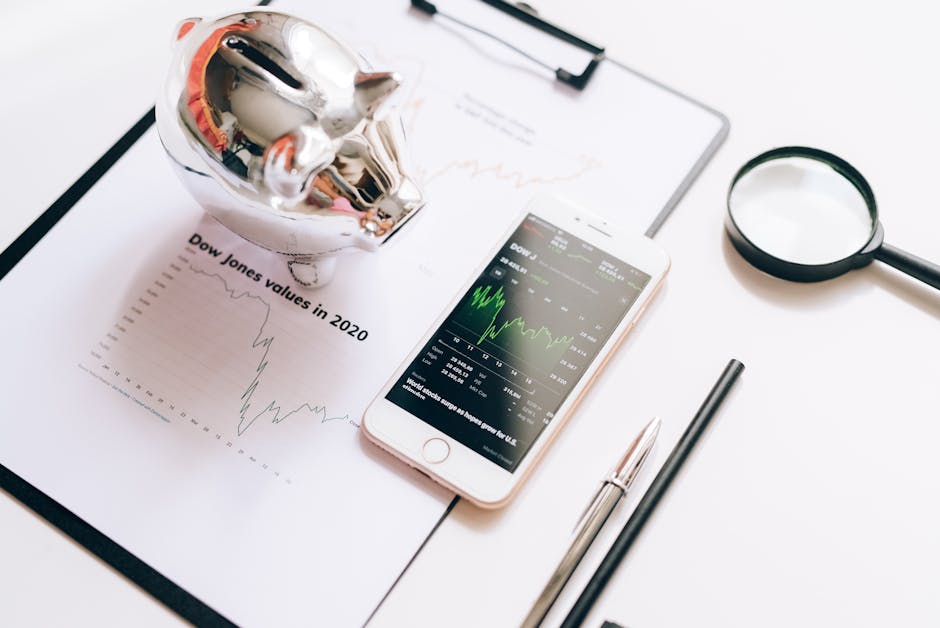
At its core, compound interest is simply interest on interest. When you invest money, it earns interest. Instead of cashing out that interest, you reinvest it, allowing your principal to grow. The next time interest is calculated, it’s applied to your larger principal, which now includes your initial investment plus all the accumulated interest. This cycle repeats, creating a snowball effect. (See also: Greg Abel’s Berkshire Hathaway Portfolio: Reshaping 2025 Investment Strategies)
Let’s break down the mechanics with a simple example. Suppose you invest $1,000 at an annual interest rate of 10%. After one year, you’ll have $1,100 ($1,000 principal + $100 interest). If you reinvest that $100, your new principal for the second year is $1,100. At a 10% rate, you’d earn $110 in interest, bringing your total to $1,210. While the initial gain might seem modest, the difference between simple interest (where you only earn on the original $1,000) and compound interest becomes stark over time. Over many years, this difference can amount to hundreds of thousands, even millions, of dollars.
The Compounding Frequency Factor
The frequency at which interest is compounded also plays a significant role. Interest can be compounded annually, semi-annually, quarterly, monthly, or even daily. The more frequently interest is compounded, the faster your money grows, because you start earning interest on your interest sooner. For instance, an investment compounded monthly will generally grow faster than one compounded annually, even with the same nominal interest rate. This subtle detail further amplifies the effects of the power of compound interest, accelerating your journey towards substantial wealth accumulation. (See also: Value Investing vs Growth Investing: Warren Buffett’s Approach Explained | AlkaFlow)
The Compelling Case for Early Investing
This brings us to the crucial element: time. The single biggest advantage you can give yourself in the world of investing is starting early. It’s not about how much you invest initially, but how long your money has to grow. The earlier you begin, the longer your money has to compound, and the more dramatic the results will be. This concept is often referred to as the time value of money, and it underscores why delaying your investment journey is often the most expensive mistake.
Consider two hypothetical investors, Sarah and Mark, both aiming for financial independence:
- Sarah: The Early Bird
Sarah starts investing $5,000 per year at age 25. She continues for 10 years, investing a total of $50,000. Then, she stops investing new money, letting her existing investments grow. - Mark: The Late Bloomer
Mark starts investing $5,000 per year at age 35. He invests for 30 years, contributing a total of $150,000.
Assuming both achieve an average annual return of 8%, let’s look at their approximate wealth by age 65:
Sarah (Age 65): Approximately $1,050,000 (Invested $50,000)
Mark (Age 65): Approximately $610,000 (Invested $150,000)
This scenario, a classic illustration of compounding, reveals a stunning truth: Sarah invested significantly less money ($50,000 vs. $150,000) but ended up with nearly double the wealth, all because she gave her money an extra decade to compound. This isn’t a fluke; it’s the mathematical reality of the power of compound interest in action. It’s a stark reminder that your greatest asset isn’t necessarily your income, but the time you have to invest.
Real-World Scenarios: The Cost of Delaying and the Benefit of Long-Term Growth
The opportunity cost of delaying investment is monumental. Every year you wait is a year of lost compounding, a year your money could have been working for you, silently accumulating wealth. Many people believe they need a large sum to start investing, but that’s a misconception. Even small, consistent contributions, when started early, can achieve remarkable results thanks to the relentless march of compounding. This forms the bedrock of any successful investment strategy focused on long-term growth.
Overcoming Common Obstacles to Early Investing
- Fear of the Unknown: The market can seem intimidating, but resources like AlkaFlow exist to demystify it. Start with low-cost index funds or ETFs that track broad markets, offering diversification and professional management.
- Belief in Needing Large Sums: Many brokerage firms allow you to start with very small amounts, some even with no minimum. Automate small weekly or monthly contributions to build consistency.
- Prioritizing Instant Gratification: It’s easy to spend on immediate wants, but delaying gratification for a few years can set you up for a lifetime of financial security. Think of investing as paying your future self.
The S&P 500, a broad measure of the U.S. stock market, has historically delivered an average annual return of around 10% over the long run. While past performance is no guarantee of future results, this historical data provides a robust foundation for understanding the potential for long-term growth when harnessing compound interest in diversified portfolios. Even after accounting for inflation, which averages around 2-3% annually, the real returns can be substantial, preserving and growing your purchasing power over time.
Putting the Power of Compound Interest to Work for You
So, how can you practically apply this knowledge and leverage the power of compound interest? It starts with a plan and consistent execution. First, educate yourself. Understand the basics of different investment vehicles – stocks, bonds, mutual funds, ETFs – and choose those that align with your risk tolerance and financial goals. Secondly, automate your savings. Set up automatic transfers from your checking account to your investment account. This removes the temptation to spend the money and ensures consistency, which is paramount for compounding.
Even if you’re not in your early twenties, it’s never truly too late to start. The impact may not be as dramatic as the ‘Sarah vs. Mark’ example, but every year you invest is a year your money compounds, pushing you closer to your goals. The key is to start now, with whatever you can afford, and commit to consistent contributions. The longer your investment horizon, the more pronounced the effect of compounding becomes, leading to significant wealth creation.
From my years on Wall Street, I’ve seen firsthand that financial success isn’t typically built on daring gambles or perfect market timing. It’s built on discipline, patience, and a deep appreciation for the fundamental principles of finance, none more potent than compounding. This isn’t just about accumulating money; it’s about building a foundation for true financial independence and the freedom that comes with it. Start today, and let time work its magic for you.
❓ Frequently Asked Questions
What is compound interest?
Compound interest is the interest earned on an initial principal amount, plus the accumulated interest from previous periods. It means your money grows not only from your original investment but also from the interest that investment has already earned, creating an accelerating growth effect over time.
Why is starting early so important for compound interest?
Starting early provides your investments with more time to compound. The longer your money is invested, the more opportunities it has to earn interest on interest, leading to significantly larger returns over the long run, even with smaller initial contributions compared to later starters.
What are the best types of investments to leverage compound interest?
Compound interest works across various investment types. Common choices include stocks (especially diversified index funds or ETFs), mutual funds, bonds, and even high-yield savings accounts or certificates of deposit (CDs). The key is consistent reinvestment of returns.
Can small amounts make a difference with compound interest?
Absolutely. Even small, consistent contributions made over a long period can accumulate into substantial wealth due to the power of compounding. The consistency and time horizon are often more critical than the initial lump sum, making investing accessible to everyone.
How does inflation affect compound interest?
While compound interest helps your money grow, inflation erodes its purchasing power. To truly benefit, your investment returns must outpace the rate of inflation. Therefore, it’s crucial to invest in assets that historically offer real returns (returns above inflation) to ensure your wealth grows in real terms.



0 Comments