

In the fast-paced world of cryptocurrency, where asset values can swing wildly in a matter of hours, a unique class of digital assets offers a much-needed anchor: stablecoins. Specifically, we’re going to dive deep into stablecoins explained, focusing on giants like USDT and USDC, and uncover what they truly mean for the dynamic crypto markets you participate in.
📋 Table of Contents
Imagine a financial instrument that combines the borderless, instant nature of cryptocurrency with the stability of traditional fiat currency. That’s precisely the promise of stablecoins. They are designed to maintain a stable value, typically pegged to a fiat currency like the US dollar, offering a refuge from the notorious volatility that characterizes Bitcoin and altcoins. For anyone looking to understand the mechanics and implications of these crucial assets, this article is for you.
What Are Stablecoins, and Why Are They Essential for Crypto Markets?
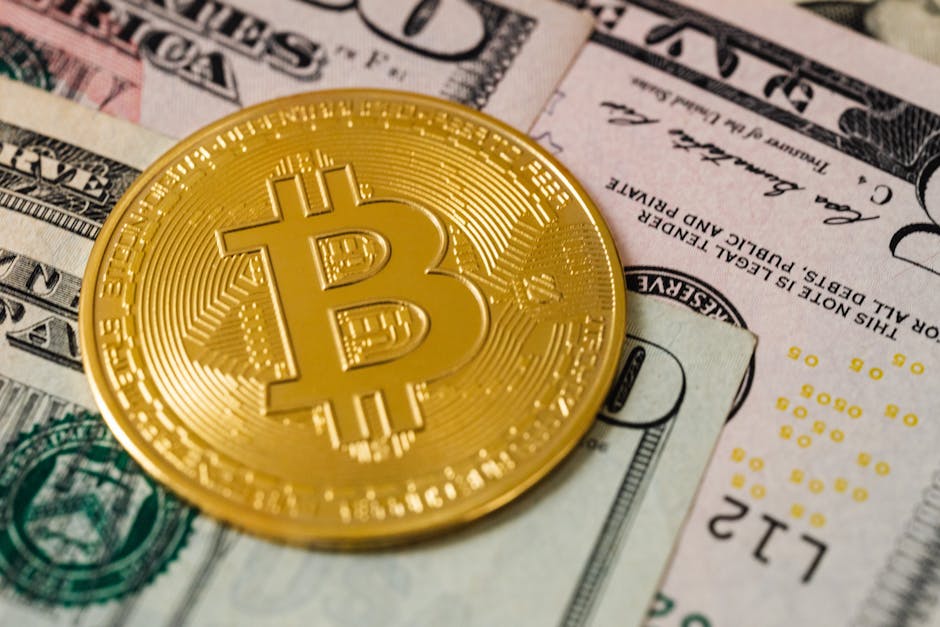
Crypto enthusiasts and traditional investors alike often point to market volatility as both the allure and the Achilles’ heel of digital assets. One moment, your portfolio is soaring; the next, it’s taking a significant hit. This inherent characteristic makes it challenging for crypto to function as a reliable medium of exchange or a stable store of value for everyday transactions.
Enter stablecoins. These digital assets are engineered to minimize price fluctuations, usually by pegging their value 1:1 to a stable asset, most commonly the US dollar. This stability is critical for a multitude of reasons, transforming how you interact with the broader blockchain technology ecosystem.
Bridging the Volatility Gap
The primary function of stablecoins is to provide a stable medium within the inherently volatile cryptocurrency landscape. Without them, moving profits out of a rapidly appreciating asset, or preparing to buy a dip, would often require converting back to traditional fiat currency through a bank, a process that can be slow and incur fees.
Stablecoins eliminate this friction. You can quickly move your funds into USDT or USDC, knowing their value will remain relatively constant while you wait for your next trading opportunity or simply wish to preserve capital without exiting the crypto ecosystem entirely. This seamless transition within the digital realm is a game-changer for active traders and long-term holders alike.
Core Use Cases Driving Adoption
Beyond simply hedging against volatility, stablecoins have carved out indispensable roles across various segments of the crypto markets:
- Trading Pairs: Most major cryptocurrency exchanges list trading pairs against stablecoins (e.g., BTC/USDT, ETH/USDC). This allows traders to quickly enter and exit positions without converting to fiat, improving liquidity and efficiency.
- Decentralized Finance (DeFi): Stablecoins are the lifeblood of decentralized finance. They are extensively used for lending, borrowing, providing liquidity to decentralized exchanges (DEXs), and earning yield. Imagine taking out a loan in USDC without needing a traditional bank.
- Remittances and Payments: The low transaction costs and speed of stablecoins make them attractive for international remittances, potentially bypassing slow and expensive traditional banking channels. They act as a de facto digital dollar for global transfers.
- Saving and Earning Yield: Many platforms offer attractive interest rates on stablecoin deposits, allowing users to earn passive income on their digital assets without exposure to market volatility.
Stablecoins Explained: The Mechanics Behind Stability
Understanding how stablecoins maintain their peg is crucial, as not all are created equal. The underlying mechanisms dictate their reliability and the risks involved. Broadly, stablecoins can be categorized by their collateralization methods.
Fiat-Collateralized Stablecoins: The Gold Standard
These are the most common and straightforward type of stablecoin, with USDT and USDC being prime examples. Fiat-collateralized stablecoins are backed 1:1 by reserves of traditional currency (like USD), cash equivalents, and other highly liquid assets held by a centralized entity.
“The fundamental promise of a fiat-collateralized stablecoin is trust: trust that for every token issued, there is an equivalent amount of reserves held safely and transparently.” — AlkaFlow Market Insights Report, Q3 2023.
The issuer mints new tokens when users deposit fiat currency and burns tokens when users redeem them for fiat. The integrity of these stablecoins heavily relies on the issuer’s ability to maintain sufficient reserves and provide regular audits to prove their backing. This model is designed for high liquidity and reliable price stability, making them the preferred choice for widespread adoption.
Crypto-Collateralized Stablecoins: Decentralized but Complex
Unlike their fiat-backed counterparts, crypto-collateralized stablecoins are backed by other cryptocurrencies. Dai (DAI) is a prominent example. To mitigate the volatility of the underlying crypto collateral, these stablecoins are often over-collateralized. This means that for every $1 worth of stablecoin issued, more than $1 worth of crypto collateral (e.g., $1.50 of Ethereum) is locked up.
If the value of the collateral drops, a portion of it can be liquidated to maintain the stablecoin’s peg. While offering a more decentralized approach, they come with their own set of complexities related to liquidation mechanisms and the management of collateral ratios.
Algorithmic Stablecoins: High Risk, High Reward (Often Just High Risk)
Algorithmic stablecoins attempt to maintain their peg through smart contracts and complex algorithms, rather than direct collateral. They use a system of incentives to expand or contract the supply of the stablecoin in response to market demand, aiming to keep its value at $1.
The most famous (or infamous) example is TerraUSD (UST), which collapsed dramatically in May 2022. This event served as a stark reminder of the inherent risks in uncollateralized or inadequately collateralized algorithmic models. While the concept aims for ultimate decentralization, achieving true stability without robust backing remains a significant challenge for this category of stablecoins.
USDT and USDC: Giants Shaping the Stablecoins Explained Landscape
When you talk about stablecoins, the conversation inevitably gravitates to Tether (USDT) and USD Coin (USDC). These two assets dominate the market, collectively representing a significant portion of the total stablecoin market capitalization. Their stories, operational models, and market impacts are distinct yet intertwined.
Tether (USDT): The Pioneer and Its Controversies
Launched in 2014, Tether (USDT) is the oldest and largest stablecoin by market capitalization. It was initially designed to offer a stable alternative to fiat currencies for traders on crypto exchanges. Its first-mover advantage and broad integration across virtually every exchange cemented its position as a cornerstone of the crypto economy.
However, USDT’s journey has been marked by persistent scrutiny regarding the composition and sufficiency of its reserves. For years, critics raised concerns that Tether might not hold enough US dollar reserves to back every USDT token 1:1. While Tether has since provided more transparency and regular attestations, these past controversies have fueled debates about trust and the need for stringent regulations in the stablecoin space.
USD Coin (USDC): Transparency and Regulatory Focus
USD Coin (USDC) was launched in 2018 by Circle and Coinbase, forming the Centre consortium. From its inception, USDC positioned itself as a more transparent and regulatory-friendly alternative to USDT. It aims to be fully backed by US dollar reserves and short-duration US government bonds, with monthly attestations published by an independent accounting firm.
USDC’s commitment to regulatory compliance and transparency has earned it significant trust among institutional investors and within the decentralized finance ecosystem. Its growth has been explosive, particularly as DeFi gained traction, with many protocols preferring USDC due to its perceived lower risk profile and clearer regulatory standing. It has become a crucial digital dollar for countless applications.
Comparing the Titans: Key Differences and Market Impact
While both USDT and USDC aim for a $1 peg, their approaches to transparency, compliance, and risk management differ. USDT, despite its controversies, maintains its market dominance due to its deep liquidity and widespread acceptance across global exchanges. USDC, on the other hand, often appeals to entities prioritizing regulatory clarity and robust audit trails. (See also: MemeCore Price Prediction: Can ‘M’ Sustain Its Top 50 Crypto Status?)
The presence of these two giants significantly influences crypto markets. They provide essential liquidity, facilitate cross-border transactions, and serve as crucial on-ramps and off-ramps for capital. The health and stability of USDT and USDC are inextricably linked to the overall stability of the crypto economy, making any news regarding their reserves or regulatory status a major market mover.
Stablecoins, DeFi, and the Future of Crypto Markets
The utility of stablecoins extends far beyond simple trading. They are foundational to the growth of decentralized finance and are increasingly catching the attention of global financial regulators.
Powering Decentralized Finance (DeFi)
Decentralized Finance (DeFi) relies heavily on stablecoins. Imagine you want to lend out your crypto to earn interest. Would you rather lend out a volatile asset like Ethereum and risk its price plummeting, or a stable asset like USDC, guaranteeing a predictable return on your principal? The answer is clear for most.
Stablecoins enable predictable borrowing and lending rates, facilitate yield farming strategies, and provide the bedrock for liquidity pools on decentralized exchanges. Without stablecoins, the DeFi ecosystem, which has grown to command billions of dollars in total value locked, would look drastically different and be far less accessible to a broad range of users seeking predictable returns or capital efficiency.
Regulatory Scrutiny and the Path Forward
The rapid growth and systemic importance of stablecoins have not gone unnoticed by global regulators. Governments worldwide are actively debating how to classify and regulate these assets, particularly after events like the UST collapse highlighted potential systemic stablecoin risks.
In the United States, discussions around a clear regulatory framework for stablecoins are ongoing, with proposals often focusing on reserve requirements, auditing standards, and consumer protection. The European Union’s Markets in Crypto-Assets (MiCA) regulation, for example, includes specific provisions for stablecoins, aiming to bring them under a comprehensive regulatory umbrella. The outcome of these regulatory efforts will profoundly shape the future adoption and operational models of stablecoins.
The Evolving Role of the Digital Dollar
While central banks are exploring their own Central Bank Digital Currencies (CBDCs), stablecoins like USDT and USDC are already functioning as a de facto digital dollar for millions globally. They offer a taste of what a digitally native fiat currency could look like – instant, borderless, and programmable.
As the world moves towards a more digital financial infrastructure, stablecoins will continue to play a critical role, either as a bridge to CBDCs or as a robust alternative, offering private sector innovation within a regulated framework. Their continued evolution hinges on balancing innovation with necessary consumer protections and financial stability measures.
Conclusion: Navigating the Stablecoin Future
We’ve taken a comprehensive look at stablecoins explained, from their foundational role in mitigating volatility to the specific mechanics of giants like USDT and USDC. These assets are far more than just a temporary parking spot for your crypto; they are fundamental building blocks of the modern digital economy, powering DeFi, facilitating global trade, and offering a glimpse into the future of money.
As a financial journalist deeply entrenched in blockchain technology, I see stablecoins as a fascinating intersection of traditional finance and groundbreaking innovation. Their promise of stability within a dynamic market is undeniable, yet their reliance on robust reserves and clear regulations remains paramount. The ongoing maturation of regulatory frameworks and the increasing transparency from issuers will be key to their sustained success and broader adoption.
The journey of stablecoins is far from over. They will continue to evolve, adapt, and face new challenges. For you, the informed investor and enthusiast, understanding their nuances is not just academically interesting but financially essential. Stay informed, ask critical questions about reserve backing, and consider the regulatory landscape as you navigate the opportunities these digital dollars present in the ever-expanding crypto markets. (See also: Top Altcoins Worth Watching for Savvy Investors This Year | AlkaFlow)




0 Comments