

Imagine your car breaks down, your roof springs a leak, or you face an unexpected medical bill. Without a robust emergency fund, these common life occurrences can quickly spiral into financial crises, pushing you into debt and stress. Building an emergency fund isn’t just good advice; it’s the bedrock of true financial resilience, offering a vital buffer against life’s inevitable curveballs.
📋 Table of Contents
For over eight years, I’ve watched global markets ebb and flow, but one constant remains: personal financial preparedness is paramount. At AlkaFlow, we believe in empowering you with the knowledge to navigate your financial journey confidently. Today, we’re tackling one of the most fundamental questions in personal finance: how much do you really need in your emergency fund, and what are the fastest, most effective ways to build it?
Understanding Your True Emergency Fund Needs
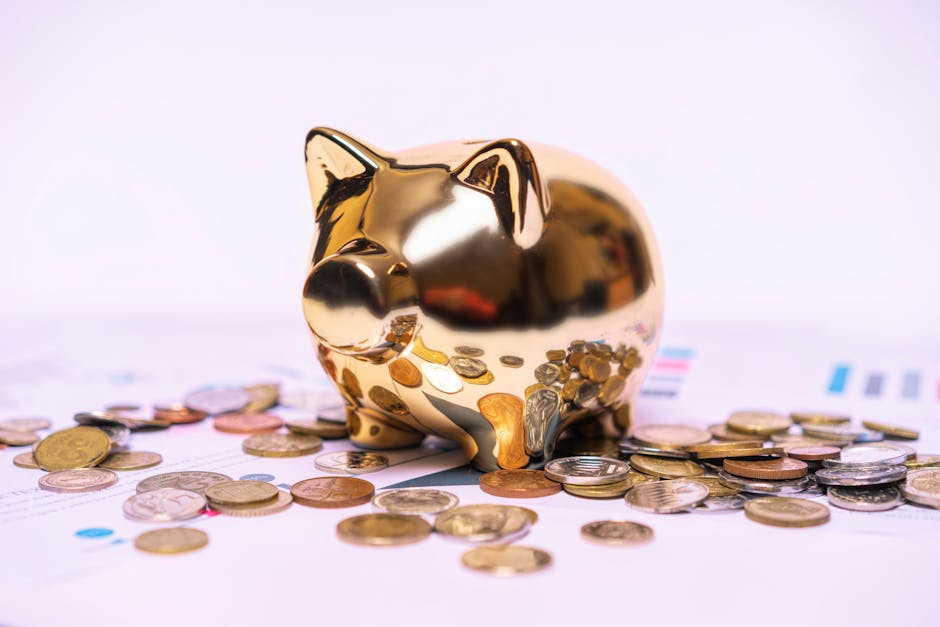
The traditional wisdom often suggests having three to six months’ worth of living expenses tucked away. While this is a solid starting point, the truth is, your ideal emergency fund size is highly personal, influenced by a multitude of factors unique to your life. It’s not a one-size-fits-all number, and understanding what truly constitutes ‘enough’ is crucial for your financial security.
The 3-6 Month Rule: A Starting Point, Not a Finish Line
For many, particularly those with stable jobs and fewer dependents, targeting three to six months of essential expenses provides a comfortable safety net. This covers crucial outgoings like housing, utilities, groceries, transportation, and insurance premiums. However, this is a baseline. If you’re a single earner, self-employed, or have significant health concerns, you might lean towards the higher end of this spectrum, or even beyond it.
According to a 2023 Federal Reserve report, 37% of adults said they would not be able to cover an unexpected expense of $400 using cash or its equivalent. This stark reality underscores the urgency of building a sufficient emergency fund for millions.
Factors Influencing Your Ideal Emergency Fund Size
- Job Stability: Do you work in a volatile industry or have a highly specialized skill set? If your job security is less certain, or finding a new role could take longer, aiming for closer to 9-12 months of expenses might be prudent.
- Household Size and Dependents: A single person’s needs differ vastly from those supporting a family. More dependents often mean higher fixed costs and a greater need for a robust cushion to protect them.
- Health Status and Insurance Coverage: Chronic health issues or high-deductible insurance plans mean medical emergencies could be significantly more expensive out-of-pocket. Factor potential medical costs into your fund.
- Debt Levels: While an emergency fund should be built before aggressively paying down low-interest debt, having a substantial fund can prevent you from racking up more debt if an unexpected event occurs. If you have significant high-interest debt, a smaller initial emergency fund (e.g., $1,000-$2,000) might be a sensible first step before tackling debt, but ultimately, a larger fund is still the goal.
- Lifestyle and Fixed Costs: The more non-negotiable fixed expenses you have (e.g., car payments, mortgage vs. rent, childcare), the larger your emergency fund should be to cover these obligations without stress.
Ultimately, your ideal emergency fund is the amount that allows you to sleep soundly at night, knowing you can weather a storm without resorting to high-interest credit cards or raiding your retirement savings. It’s an investment in your peace of mind and long-term financial stability.
Practical Strategies to Build Your Emergency Fund Fast
Building an emergency fund can seem daunting, especially if you’re starting from scratch. However, with focused effort and smart saving strategies, you can accelerate your progress. The goal here isn’t just to save, but to save intentionally and efficiently, transforming your financial outlook within months. (See also: Unlock Your Potential: How to Save More Money on a Tight Budget)
Automate Your Savings
This is arguably the most powerful strategy. Set up an automatic transfer from your checking account to a separate savings account every payday. Even if it’s just $50 or $100 to start, consistency is key. Treat this transfer like any other bill – non-negotiable. Over time, these small, consistent deposits will accumulate into a substantial emergency fund. Automation removes the temptation to spend the money before it reaches your savings.
Trim the Fat: Identify and Cut Unnecessary Expenses
Take a microscope to your monthly budget. Where is your money really going? Often, we find recurring expenses that no longer serve us or areas where we can easily cut back. Consider: multiple streaming services, unused gym memberships, daily takeout coffee, or frequent dining out. Even small cuts, like saving $10 a day on lunch, can add up to $300 a month towards your emergency fund. This isn’t about deprivation, but about intentional spending aligned with your financial goals.
Boost Your Income Streams
Sometimes, cutting expenses isn’t enough, or there’s simply no more fat to trim. This is where increasing your income comes in. Can you take on extra hours at work? Explore a side hustle – freelancing, dog walking, tutoring, selling crafts online? Even selling unused items around your house on platforms like eBay or Facebook Marketplace can provide a quick influx of cash directly for your emergency fund. Every extra dollar earned and dedicated to this fund is a step closer to financial independence.
Windfalls and Bonuses: An Opportunity
Tax refunds, work bonuses, gifts, or even a small inheritance are prime candidates for your emergency fund. Instead of seeing these as opportunities for immediate gratification, view them as turbocharged contributions to your financial safety net. Dedicating 100% of these unexpected windfalls to your savings can dramatically reduce the time it takes to reach your emergency fund goal.
The Savings Snowball Method
Inspired by the debt snowball method, this involves paying down your smallest debts first to gain momentum. For savings, it means focusing intensely on saving a small, achievable amount (e.g., $1,000) as quickly as possible. Once you hit that initial mini-goal, you’ll feel empowered and motivated to tackle the next, larger savings target. This psychological boost can be incredibly effective in sustaining your saving efforts. (See also: Mastering Your Financial Life Shift: Smart Decisions Post-Paycheck)
Where to Keep Your Emergency Fund
The location of your emergency fund is almost as important as its size. It needs to be easily accessible (liquid) but also separate enough that you’re not tempted to dip into it for non-emergencies. Investing your emergency fund in volatile assets like stocks is a common mistake; the primary goal is preservation and immediate availability, not aggressive growth.
High-Yield Savings Accounts
A high-yield savings account is often the best home for your emergency fund. These accounts offer significantly better interest rates than traditional savings accounts, meaning your money grows (albeit slowly) while remaining fully liquid. Look for accounts with no monthly fees, no minimum balance requirements, and FDIC insurance up to the legal limit. Online banks typically offer the highest yields due to lower overheads.
Money Market Accounts
Money market accounts (MMAs) offer another excellent option. They generally provide slightly higher interest rates than high-yield savings accounts and may come with check-writing privileges or a debit card, offering even more direct access. However, they often require a higher minimum balance and may have transaction limits. Like high-yield savings, ensure they are FDIC insured.
The Importance of Liquidity and Separation
The key characteristic of your emergency fund is its liquidity – you must be able to access the funds quickly and without penalty. This is why it shouldn’t be tied up in investments, real estate, or illiquid assets. Additionally, keep it in an account separate from your everyday checking account. This physical separation creates a psychological barrier, making it less likely you’ll spend it impulsively. Think of it as your ‘break glass in case of emergency’ fund – only for true emergencies.
By choosing the right home for your emergency fund, you ensure it’s both safe and ready when you need it most, contributing significantly to your overall financial stability.
The Cornerstone of Financial Resilience
Building an emergency fund is not a luxury; it’s a necessity for anyone serious about their financial well-being. It’s the ultimate defense against unforeseen challenges, protecting your progress, preventing debt, and providing invaluable peace of mind. From my vantage point observing global economic shifts since 2015, I’ve seen countless individuals and families navigate downturns more gracefully when they had this crucial financial buffer in place. The peace of mind that comes from knowing you have a safety net for unexpected expenses is truly priceless.
Don’t wait for a crisis to realize its importance. Start today, even if it’s with a small, consistent amount. Automate your savings, scrutinize your budget for areas to cut, and explore ways to boost your income. By diligently applying these saving strategies and housing your funds in a high-yield, liquid account, you’ll build your emergency fund faster than you think, fortifying your financial future against whatever comes your way. Your future self will thank you for this commitment to financial security.
❓ Frequently Asked Questions
What is an emergency fund?
An emergency fund is a stash of money set aside in an easily accessible account, like a high-yield savings account, to cover unexpected expenses such as job loss, medical emergencies, or major car repairs. It acts as a financial safety net to prevent going into debt during crises.
How much should I have in my emergency fund?
While the general recommendation is 3 to 6 months of essential living expenses, the ideal amount varies. Factors like job stability, household size, health status, and debt levels should influence your target, potentially pushing it closer to 9-12 months for greater security.
Where is the best place to keep my emergency fund?
The best place to keep your emergency fund is in a high-yield savings account or a money market account. These options offer liquidity (easy access), typically higher interest rates than traditional savings accounts, and FDIC insurance, ensuring your money is safe and accessible when needed.
What are the fastest ways to build an emergency fund?
To build an emergency fund fast, automate your savings transfers, diligently cut unnecessary expenses from your budget, explore opportunities to boost your income through side hustles, and dedicate any windfalls (like tax refunds or bonuses) directly to your fund.
Can I invest my emergency fund?
No, it is generally not recommended to invest your emergency fund in volatile assets like stocks or mutual funds. The primary purpose of an emergency fund is liquidity and capital preservation, not growth. Investing it risks losing value precisely when you might need the money most.



0 Comments