
Ever wonder why your grocery bill seems to climb higher each week, or why filling up your car feels like a significant dent in your wallet? Few economic phenomena impact our daily lives as directly and pervasively as rising oil prices. This isn’t just about the cost at the pump; it’s a foundational shockwave that ripples through every corner of the economy, fueling inflation and significantly reducing your purchasing power.
📋 Table of Contents
At AlkaFlow, we continuously track the complex interplay of global markets and their tangible effects on your finances. Understanding how crude oil — the lifeblood of modern industry and transportation — influences everything from manufacturing to the price of your morning coffee is crucial for navigating today’s economic landscape. Let’s dissect the mechanisms through which elevated oil costs create a cascade of financial challenges for businesses and consumers alike, fundamentally altering the value of your hard-earned money.
The Domino Effect: How Rising Oil Prices Cascade Through the Economy
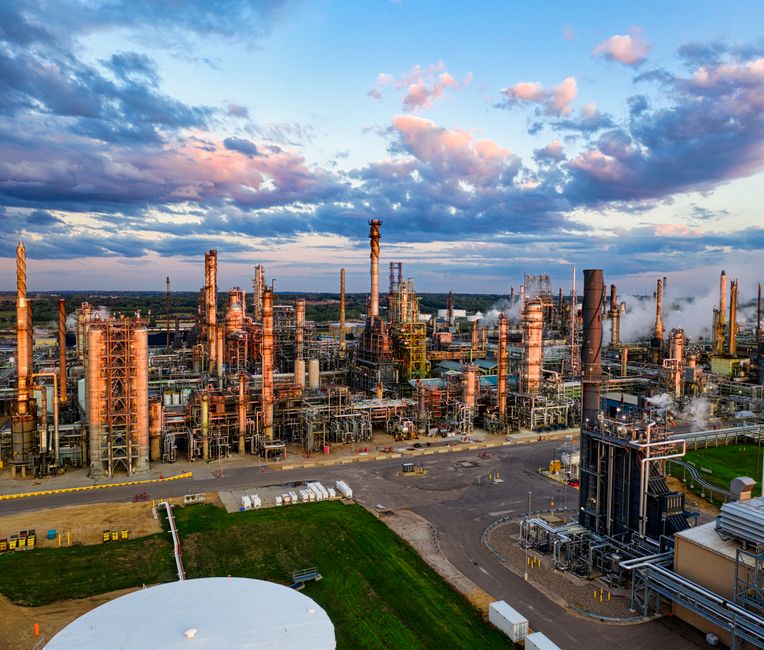
When the cost of a barrel of oil surges, it doesn’t just affect the energy sector; it initiates a complex chain reaction that elevates prices across virtually all goods and services. This initial shock, often driven by geopolitical tensions, supply constraints, or increased global demand, quickly translates into higher operational costs for countless industries. The sheer ubiquity of oil as an input means its price fluctuations are felt far and wide, making it a critical barometer for inflationary pressures.
Direct Impact on Transportation and Manufacturing
Consider the immediate and unavoidable impact on transportation. Every item you buy, from your smartphone to your fresh produce, travels via trucks, ships, trains, or planes, all of which rely heavily on petroleum-based fuels. As fuel prices rise, so do the costs for logistics companies, airlines, and shipping lines, which inevitably pass these increased energy costs onto their clients. This means that the price of moving goods from factories to store shelves becomes more expensive, directly contributing to higher retail prices.
Furthermore, the manufacturing sector is deeply intertwined with oil prices. Crude oil is not only a fuel but also a critical raw material for a vast array of products, including plastics, fertilizers, pharmaceuticals, and synthetic fabrics. A spike in oil prices directly increases the cost of producing these materials and, by extension, the final goods. This dual impact—higher transportation costs for raw materials and finished products, coupled with increased production costs—creates significant inflationary pressure at the foundational level of the economy.
Indirect Effects on Goods and Services
The ripple effect extends far beyond direct transportation and manufacturing. Higher fuel costs translate to increased utility bills for businesses, as electricity generation often relies on natural gas or other petroleum derivatives, which tend to rise in tandem with crude oil. Restaurants face higher costs for food delivery and cooking, while service providers, from plumbers to delivery drivers, must contend with greater vehicle expenses. These additional operational burdens are, in turn, passed on to consumers through increased prices for services, dining out, and even everyday necessities.
This widespread increase in business expenses forms a significant component of what economists call ‘cost-push inflation.’ Unlike demand-pull inflation, which arises from too much money chasing too few goods, cost-push inflation stems from a reduction in aggregate supply due to higher production costs. The result is that you, the consumer, end up paying more for the same products and services, even if your income hasn’t increased, directly diminishing your buying power.
Inflationary Pressures and Eroding Purchasing Power
The insidious nature of inflation, particularly when driven by fundamental inputs like energy, is its ability to quietly but relentlessly erode the value of money. When rising oil prices instigate broad price increases across the economy, the currency in your pocket simply buys less than it did before. This reduction in purchasing power is one of the most tangible and frustrating consequences for individuals and households.
The Consumer’s Burden: Higher Household Budgets
For the average household, the impact of surging oil prices manifests in several ways, often simultaneously. You see it directly at the gas pump, where filling up your car might cost 20-30% more than a year ago. You feel it in your grocery bills, as farmers pay more for fuel for their machinery and transportation, and packaging costs increase due to petroleum-derived plastics. Even your utility bills, particularly for heating and cooling, can soar, putting immense strain on already tight household budgets.
According to a recent AlkaFlow survey, 68% of households reported adjusting their spending habits significantly in the past year due to increased costs of fuel and groceries, highlighting the direct impact on discretionary income. (See also: Why Currency Devaluation Happens and What It Means for Your Money | AlkaFlow)
This necessitates difficult choices: do you cut back on non-essential spending, delay major purchases, or dip into savings? For many, especially those on fixed incomes or lower wages, the increased cost of living can become genuinely prohibitive, forcing them to make stark trade-offs between essential needs. Your ability to save for the future, invest, or simply enjoy leisure activities diminishes as more of your income is consumed by basic necessities.
The Wage-Price Spiral Dilemma
A more concerning long-term effect of persistent, energy-driven inflation is the potential for a wage-price spiral. As prices for goods and services continue to climb, workers naturally demand higher wages to maintain their standard of living. Businesses, facing increased labor costs in addition to higher input prices, respond by raising their prices further to protect profit margins. This creates a self-reinforcing cycle where rising wages chase rising prices, perpetuating inflationary pressures.
While seemingly beneficial for workers in the short term, a wage-price spiral ultimately harms everyone. It can destabilize the economy, make long-term financial planning impossible, and disproportionately affect those with less bargaining power or fixed incomes. Breaking this cycle often requires aggressive action from central banks, which can introduce its own set of challenges, including the risk of slowing economic growth.
Central Bank Responses to Rising Oil Prices and the Risk of Recession
When inflation becomes entrenched, especially due to external shocks like rising oil prices, central banks are typically tasked with bringing price stability back to the economy. Their primary tool for this is monetary policy, primarily through adjusting interest rates. However, this often involves a delicate balancing act, with potential repercussions for the broader economy.
Hiking Interest Rates to Tame Inflation
In response to persistent inflation, central banks like the U.S. Federal Reserve will typically raise their benchmark interest rates. The goal is to make borrowing more expensive for businesses and consumers, thereby slowing down economic activity and reducing overall demand. Higher interest rates discourage companies from investing and expanding, and they make consumers less likely to take out loans for big purchases like homes or cars. The theory is that by cooling demand, the upward pressure on prices will subside, bringing inflation back down to target levels, typically around 2%.
While this approach can be effective in curbing inflation, it’s not without its drawbacks. Higher interest rates can increase the cost of mortgages, credit card debt, and business loans, further squeezing household budgets and business profitability. This can lead to a slowdown in consumer spending and investment, which, if too aggressive, risks pushing the economy into a downturn. (See also: Unlocking Potential: The Digital Economy in a Globalized World)
Balancing Economic Growth with Stability
The challenge for central bankers is immense: how do you bring inflation under control without triggering a full-blown recession? Hiking interest rates too slowly might allow inflation to become deeply embedded, while hiking too quickly could stifle economic activity and lead to job losses. This tightrope walk is made even more precarious when the inflationary pressures stem from supply-side shocks like oil price spikes, which monetary policy has less direct control over.
Central banks must carefully weigh the data—inflation rates, employment figures, wage growth, and consumer confidence—to determine the appropriate pace and magnitude of interest rate adjustments. Their decisions have profound implications for everyone, from large corporations to individual savers and borrowers. The risk of a ‘hard landing,’ where efforts to curb inflation result in a significant economic contraction and increased unemployment, is a constant concern in environments of high oil prices and persistent inflation.
Navigating the Volatility: Strategies for Businesses and Consumers
In an environment marked by persistent inflationary pressures driven by factors like rising oil prices, both businesses and consumers must adapt to maintain financial health and resilience. Proactive strategies can help mitigate the immediate impacts and prepare for future economic shifts, ensuring greater stability amidst volatility.
Business Adaptations and Innovation
Businesses, particularly those with high transportation or energy inputs, are compelled to innovate. This might involve optimizing logistics to reduce fuel consumption, investing in more fuel-efficient fleets, or exploring alternative energy sources for operations. Diversifying supply chains to reduce reliance on single regions or modes of transport can also help buffer against future supply chain disruptions and associated cost increases.
Furthermore, businesses might explore hedging strategies against energy price volatility, using financial instruments to lock in future fuel costs. Investing in automation and energy-efficient technologies can also reduce long-term operational expenses, making them less susceptible to external price shocks. The focus shifts from simply passing on costs to finding innovative ways to absorb or reduce them, thereby maintaining competitive pricing and customer loyalty.
Personal Financial Resilience in High-Cost Environments
For individuals, building financial resilience is paramount. This includes creating and sticking to a detailed budget to track and manage increased cost of living expenses. Identifying areas where spending can be reduced, such as discretionary purchases, dining out, or optimizing home energy use, becomes critical. Many households are exploring more fuel-efficient vehicles, utilizing public transport, or carpooling to reduce their direct exposure to high pump prices.
Prioritizing debt reduction, especially high-interest credit card debt, is also crucial, as central bank rate hikes make borrowing more expensive. Building an emergency fund provides a vital buffer against unexpected financial shocks and allows you to avoid taking on new debt during periods of high inflation. Exploring investment strategies that can potentially offer some protection against inflation, such as real estate, inflation-protected securities, or certain commodities, might also be considered for those with a diversified portfolio.
The ongoing saga of rising oil prices serves as a potent reminder of the interconnectedness of our global economy and its immediate impact on our daily lives. From the geopolitical decisions made halfway across the world to the local pump prices and grocery aisles, the ripple effects are undeniable and often challenging to navigate. As a financial journalist and blockchain technology enthusiast, I recognize that understanding these fundamental economic forces is the first step towards building greater financial literacy and resilience.
While we cannot control global oil markets, we can control how we prepare and adapt. Stay informed, adjust your financial strategies, and continue to seek out knowledge that empowers you to safeguard your purchasing power against these powerful economic currents. Your financial future depends on your ability to understand and respond to the forces shaping our world.
❓ Frequently Asked Questions
How do rising oil prices directly lead to inflation?
Rising oil prices directly increase the cost of transportation for goods and services, as well as the manufacturing costs of petroleum-derived products like plastics and fertilizers. These higher input costs are then passed on to consumers in the form of increased prices for almost everything they buy, leading to widespread inflation.
What is purchasing power and how is it affected by oil prices?
Purchasing power is the value of a currency expressed in terms of the amount of goods or services that one unit of money can buy. When oil prices rise and fuel inflation, the cost of living increases. This means your money can buy fewer goods and services than before, thereby reducing your overall purchasing power.
What is the ‘wage-price spiral’ and how do oil prices contribute to it?
The ‘wage-price spiral’ is an economic phenomenon where rising prices lead to demands for higher wages, which in turn leads businesses to further raise prices to cover increased labor costs, creating a continuous cycle. Rising oil prices can initiate or exacerbate this spiral by driving up initial costs, prompting workers to demand higher pay to maintain their standard of living.
What actions do central banks take when oil prices cause inflation?
Central banks typically respond to inflation caused by rising oil prices by increasing interest rates. This makes borrowing more expensive, slowing down economic activity and reducing demand to help bring inflation back to target levels. However, this strategy carries the risk of slowing economic growth and potentially leading to a recession.
How can individuals protect their finances against high oil prices and inflation?
Individuals can protect their finances by budgeting carefully, reducing discretionary spending, and optimizing energy consumption (e.g., fuel-efficient vehicles, public transport). Building an emergency fund, prioritizing debt reduction, and exploring inflation-protected investment strategies can also help build financial resilience in high-cost environments.


0 Comments