
The financial markets never truly sleep, and for astute traders and investors, the activity surrounding the weekend Nasdaq 100 provides a fascinating, albeit often overlooked, preview of the week ahead. When the main cash markets close their doors on Friday, liquidity shifts, but the underlying sentiment and potential catalysts continue to brew, making weekend Nasdaq 100 movements a critical signal for those looking to gain an edge. As an economics journalist covering global markets since 2015, I’ve seen firsthand how these weekend shifts can set the tone for Monday’s open, often catching unprepared market participants off guard.
📋 Table of Contents
Understanding these subtle indicators requires a keen eye and an appreciation for the interconnectedness of global events with tech-heavy indices. From geopolitical tremors to major corporate announcements, the weekend often serves as a crucible where new information is digested, shaping expectations long before the official opening bell rings. For those of us navigating the complex world of finance, ignoring these weekend signals is akin to sailing without a compass; you might eventually reach your destination, but the journey will be far more volatile and uncertain.
Understanding the Weekend Nasdaq 100: What It Is and Why It Matters
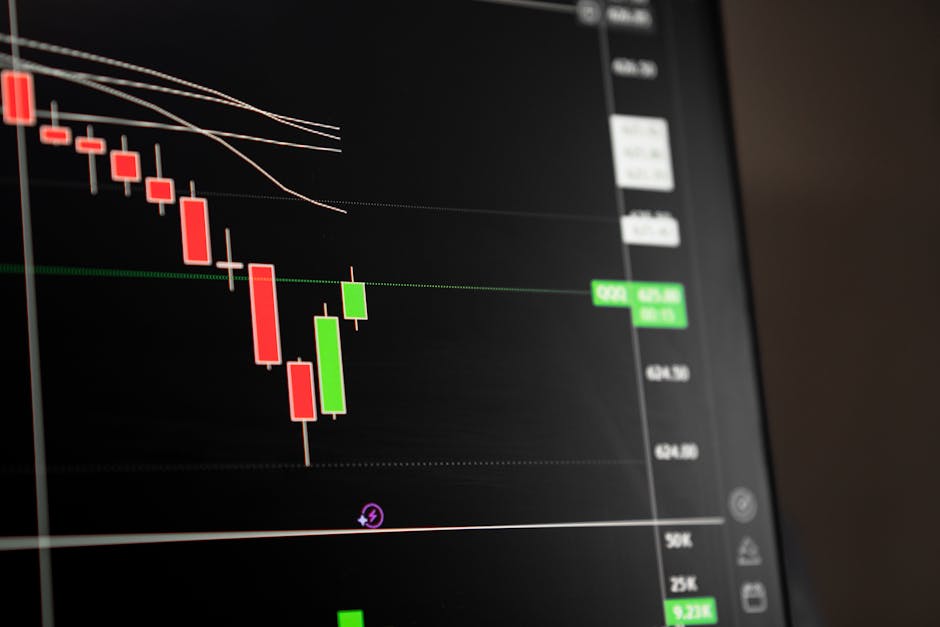
When we talk about the weekend Nasdaq 100, we’re not referring to the main cash index, which is firmly shut from Friday evening until Monday morning. Instead, we’re looking at derivative products that allow trading outside conventional hours, primarily futures contracts and contracts for difference (CFDs) offered by various brokers. These instruments, such as Nasdaq weekend futures, provide a barometer for sentiment when the broader market is closed, reacting to news that breaks over Saturday and Sunday.
The significance here lies in what these movements represent. A strong upward move in Nasdaq 100 futures over the weekend, for instance, could indicate bullish sentiment building on positive news, perhaps an unexpected regulatory decision or a surge in a key tech sector. Conversely, a sharp decline might signal a negative reaction to geopolitical instability, an earnings pre-announcement, or a significant shift in economic outlook. These early indicators are invaluable because they can foreshadow Monday’s opening gaps – moments of intense volatility that can present both significant opportunities and considerable risks.
The Mechanics of Weekend Trading
Most retail traders access these weekend markets through CFDs provided by brokers like IG, where the IG weekend Nasdaq product allows for trading on Saturdays and Sundays. These products typically track the underlying futures contracts, giving traders a direct way to speculate on price movements. It’s important to note that trading conditions can differ significantly from regular market hours. Liquidity is often lower, and spreads can be wider, reflecting the increased risk and reduced participation. This environment demands extra caution and a robust risk management strategy.
The core value, however, remains: these markets act as a real-time sentiment gauge. If a major tech company announces a groundbreaking innovation on a Saturday, or if central bankers issue statements impacting inflation expectations, the weekend Nasdaq will react. This immediate price discovery offers a window into how institutional players and informed traders are positioning themselves ahead of the official market open. (See also: Pokémon Trading Card Game Pocket: Shaking Up the Stock Market This Week)
Decoding Weekend Nasdaq 100 Signals: Key Indicators for Traders
Interpreting weekend movements isn’t about blind speculation; it’s about connecting the dots between global events and market reactions. A significant move in the weekend Nasdaq 100 rarely occurs in a vacuum. It’s usually a direct response to tangible news or a culmination of simmering concerns that finally boil over.
One of the clearest signals is a substantial price gap between Friday’s close and the weekend’s opening price, or a sustained trend throughout the weekend. For example, if the Nasdaq 100 closed Friday at 18,500 and by Sunday evening, weekend futures are trading at 18,650, that 150-point gap suggests strong bullish sentiment. Conversely, a drop to 18,350 would signal bearish pressure. This gap often provides a preliminary indication of where Monday’s cash market might open, or at least the direction of initial momentum.
Identifying Catalysts and Confirmation
To truly decode these signals, you must look for the catalysts. Did a major economic report from China come out over the weekend? Was there a significant political development in Europe? Did a prominent tech CEO make a controversial statement? By correlating weekend price action with concurrent news, you can gain a deeper understanding of the market’s underlying drivers. Confirmation comes when multiple, seemingly disparate events point in the same direction, amplifying the weekend’s signal.
“Weekend market movements, particularly in high-growth indices like the Nasdaq 100, are often a leading indicator of sentiment shifts. Historically, a sustained 1% move in weekend futures has coincided with a 0.7% average directional move in the cash market on Monday’s open, even if only for the first hour of trading.” – AlkaFlow Market Research, Q2 2024 Analysis
It’s also crucial to observe the volume and volatility during weekend trading. While generally lower than weekdays, unusually high volume accompanying a significant price move can lend more credibility to the signal. Similarly, extreme volatility could indicate uncertainty or a lack of consensus, suggesting that the market is still processing information.
Strategies for Trading and Investing Based on Weekend Market Movements
Armed with an understanding of weekend market dynamics, how can you integrate these signals into your trading and investing strategies? The goal isn’t to chase every weekend fluctuation, but to use them as a valuable input for your broader market analysis and risk management.
Pre-Market Planning and Position Adjustments
For short-term traders, weekend signals can inform your pre-market planning. If the weekend Nasdaq has shown a strong upward trend, you might consider looking for long opportunities early Monday, or adjusting your stop-loss orders on existing short positions. Conversely, a weekend sell-off could prompt you to prepare for potential short entries or to tighten stops on long positions. It’s about being prepared, not reactive. Consider these scenarios:
- Strong Weekend Rally: Look for follow-through momentum on Monday, but be wary of potential profit-taking early in the session, which might present a dip-buying opportunity.
- Significant Weekend Decline: Prepare for a bearish open, but also identify potential support levels where a bounce could occur. Avoid impulsive selling into an already oversold market.
- Choppy Weekend Activity: This often signals indecision, suggesting Monday might open with continued consolidation until clearer catalysts emerge.
For longer-term investors, weekend movements might not dictate immediate action, but they provide critical context. A persistent negative trend over several weekends, for instance, could hint at deeper structural issues or a sustained shift in market sentiment towards growth stocks, prompting a review of your portfolio’s tech exposure.
Risk Management and Avoiding Traps
While attractive, weekend trading comes with inherent risks. The lower liquidity means that large orders can have a disproportionate impact on prices, leading to exaggerated moves. Wider spreads eat into potential profits and can trigger stop-losses prematurely. Therefore, if you do engage in weekend trading, use smaller position sizes and maintain strict risk parameters.
A common trap is to overreact to every weekend flicker. Remember, the weekend market is a subset of the broader market. While it offers clues, it doesn’t always dictate Monday’s entire trading day. Sometimes, initial Monday reactions quickly reverse as institutional money flows in, providing more robust price discovery. Always wait for confirmation once the main markets open before making significant directional bets.
The Broader Context: Nasdaq vs SP500 and Global Interplay
Understanding weekend movements in the Nasdaq 100 also requires placing them within the broader market context. How does the Nasdaq’s weekend performance compare to that of other major indices, particularly the S&P 500? The Nasdaq vs SP500 dynamic is crucial because while both are significant U.S. indices, the Nasdaq 100 is heavily weighted towards technology and growth stocks, making it more sensitive to certain types of news.
If the weekend Nasdaq 100 shows a strong rally, but S&P 500 futures remain relatively subdued, it might signal a specific bullish sentiment towards tech, perhaps driven by AI advancements or specific company news. Conversely, if both indices are moving in strong unison, it suggests a broader market sentiment shift, whether positive or negative, reflecting macroeconomic factors or widespread investor confidence. This divergence or convergence offers crucial insights into sector-specific versus broad-market dynamics.
Global Events and Interconnected Markets
Remember that markets are interconnected globally. A major economic announcement from China on a Saturday can ripple through Asian markets on Monday, and then influence European and finally U.S. markets. The weekend Nasdaq 100 often acts as one of the first Western barometers for these global reactions. For example, if Chinese tech regulations tighten over the weekend, you might see an immediate negative reaction in Nasdaq 100 futures, even before European markets have a chance to open.
Conversely, a breakthrough in U.S.-China trade talks announced on a Sunday could spark a global rally, reflected first in weekend futures before extending into the week. Paying attention to these global interplays allows you to anticipate broader market sentiment and understand the ‘why’ behind the weekend’s price action, rather than just observing the ‘what’.
As we navigate these ever-evolving markets, the insights gleaned from the weekend Nasdaq 100 are more than just idle chatter; they are early warning systems and opportunity flags. From my perspective, embracing the constant flow of information, even outside regular trading hours, is no longer optional for serious market participants. It’s an integral part of developing a robust, forward-looking strategy that keeps you one step ahead. (See also: Warsh’s Silent Treatment & S&P Volatility: What Traders Need to Know | AlkaFlow)
By diligently tracking nasdaq weekend futures and understanding their context, you empower yourself to make more informed decisions when the main markets open. Stay vigilant, stay informed, and let the weekend’s whispers guide your week’s strategy.
❓ Frequently Asked Questions
What is the weekend Nasdaq 100?
The weekend Nasdaq 100 refers to the trading activity of derivative products like futures contracts and CFDs on the Nasdaq 100 index during Saturday and Sunday, when the main cash market is closed. It serves as an early indicator of market sentiment in response to weekend news.
Why do weekend Nasdaq 100 movements matter for traders?
Weekend movements in the Nasdaq 100 can signal potential gaps or strong directional biases for Monday’s cash market open. They allow traders to anticipate sentiment shifts, prepare strategies, and manage risk based on news that breaks outside regular trading hours.
How can I trade the Nasdaq 100 during the weekend?
You can trade the Nasdaq 100 during the weekend through brokers that offer ‘weekend futures’ or ‘weekend CFDs’ on the index. These products typically track the underlying futures contracts and allow speculation on price movements, albeit often with lower liquidity and wider spreads.
What are the risks of trading the Nasdaq 100 on weekends?
Risks include lower liquidity, which can lead to wider bid-ask spreads and increased volatility, making prices more susceptible to large swings from smaller trade volumes. There’s also the risk of ‘gap risk’ where prices can open significantly higher or lower on Monday due to weekend news, impacting positions.
How does weekend Nasdaq 100 activity compare to the S&P 500?
The Nasdaq 100 is tech-heavy, making it more sensitive to tech-specific news, while the S&P 500 represents broader market sentiment. Comparing weekend movements between the two can reveal whether the sentiment shift is sector-specific (Nasdaq-led) or broad-market driven (both moving in unison).




0 Comments