

Ever notice how quickly the cost of your morning commute or weekly grocery run climbs when crude oil prices spike? It’s not just your imagination. The direct connection between rising oil prices and the pervasive inflation we experience is undeniable, and it directly impacts your purchasing power, making your hard-earned money stretch less and less.
📋 Table of Contents
As a journalist covering global markets since 2015, I’ve seen firsthand how fluctuations in the energy market can send shockwaves through households and boardrooms alike. When the cost of crude oil, the lifeblood of modern industry, surges, it sets off a domino effect that touches nearly every aspect of our economic lives, from the fuel in your car to the food on your table. Understanding this complex relationship isn’t just an academic exercise; it’s crucial for navigating your personal finances and grasping the broader economic landscape.
The Direct Impact of Rising Oil Prices on Your Wallet
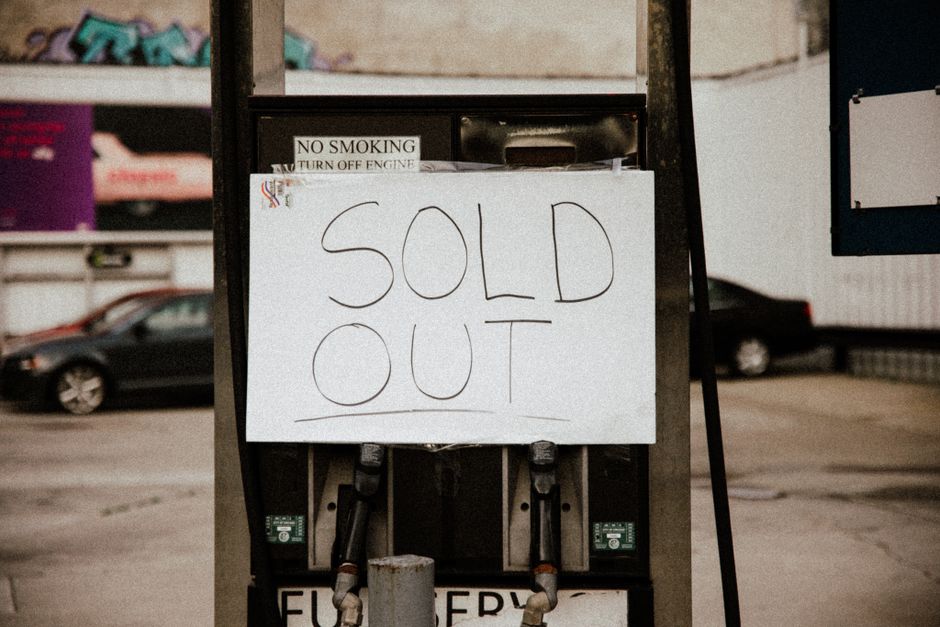
Let’s start with the most obvious and immediate effect: what happens at the pump. When rising oil prices hit, the cost of gasoline and diesel fuel rockets, directly increasing your transportation expenses. For many families, this isn’t a discretionary expense; it’s a necessity for commuting to work, taking children to school, or running essential errands. This immediate surge in fuel costs acts like a hidden tax, siphoning off a significant portion of your disposable income.
But the impact doesn’t stop with your car. Consider your home’s utility bills. A substantial amount of electricity is generated using natural gas, and heating oil is a direct crude oil derivative. When oil prices climb, so do the costs for power generation and home heating, leading to higher electricity and heating bills. For example, during the energy crisis of 2022, many European households saw their energy bills double, sometimes triple, putting immense strain on household budgets already squeezed by other inflationary pressures. This phenomenon drastically increases overall energy costs for consumers.
Moreover, public transportation systems, airlines, and even ride-sharing services face higher operational costs when fuel prices rise. These businesses inevitably pass a significant portion of these increased costs onto consumers through higher fares and prices. This means that whether you drive, fly, or take the bus, the cost of getting from point A to point B becomes more expensive, further eroding your budget and forcing difficult choices about where to cut back on spending.
How Rising Oil Prices Ripple Through the Global Economy
The insidious nature of rising oil prices extends far beyond direct fuel costs. Oil is not just a fuel; it’s a fundamental input for countless industries. Think about manufacturing: producing plastics, chemicals, fertilizers, and even pharmaceuticals all rely on petroleum derivatives or energy-intensive processes fueled by oil and gas. When the raw material and energy costs for these industries increase, the price of their finished goods must also rise to maintain profitability.
Consider the intricate web of global supply chain disruptions. Every single product you buy, from a smartphone to a loaf of bread, has likely traveled hundreds, if not thousands, of miles. Ships, trains, and trucks that transport these goods are all heavily reliant on diesel and bunker fuel. A significant jump in oil prices translates directly into higher freight costs. These increased shipping expenses don’t just disappear; they are built into the final price of goods at the retail level. A prime example was the post-pandemic surge in shipping costs, exacerbated by high fuel prices, which contributed significantly to global inflation in 2021-2022.
"Oil is the master commodity. Its price influences the cost of virtually everything we consume, making it a critical barometer for inflation." – Dr. Daniel Yergin, Vice Chairman of S&P Global, Pulitzer Prize-winning author.
The agricultural sector is particularly vulnerable. Farmers use vast amounts of fuel for machinery – tractors, harvesters, irrigation pumps. Furthermore, many fertilizers and pesticides are petroleum-based. So, when oil prices rise, the cost of producing food skyrockets. This translates into higher grocery bills for families, impacting the most fundamental necessity. This pervasive impact on production and transportation costs means that businesses across the board, from small local shops to multinational corporations, are forced to raise their prices, contributing broadly to inflationary pressures.
Erosion of Purchasing Power and Macroeconomic Consequences
The cumulative effect of these direct and indirect price increases is a significant erosion of your purchasing power. Inflation, at its core, means that each unit of currency buys fewer goods and services than it did before. When rising oil prices drive up costs across the board, your fixed income or salary simply doesn’t go as far. This is particularly challenging for households on fixed incomes or those whose wages aren’t keeping pace with inflation, leading to a noticeable decline in their real standard of living.
This reduction in real income often leads to a decrease in discretionary consumer spending. When more of a household’s budget is allocated to essential items like fuel, food, and utilities, there’s less left over for non-essential goods and services. This slowdown in consumer spending can then cascade through the economy, impacting retail sales, hospitality, and other sectors reliant on consumer demand. Businesses might see reduced sales, leading to slower growth, hiring freezes, or even layoffs, creating a negative feedback loop for the entire global economy.
Central banks, like the U.S. Federal Reserve or the European Central Bank, closely monitor inflationary pressures. When inflation becomes persistent and broad-based, often spurred by high energy costs, these institutions typically respond by raising benchmark interest rates. The intention is to cool down the economy by making borrowing more expensive for both consumers and businesses, thereby reducing demand and bringing prices back under control. However, higher interest rates also mean higher costs for mortgages, car loans, and business investments, which can further slow economic growth and potentially tip an economy into recession. It’s a delicate balancing act with significant implications for everyone. (See also: A Strong US Dollar: Blessing or Bane for Emerging Markets? | AlkaFlow)
Navigating the Volatile Energy Landscape
For individuals, managing the impact of high oil prices often involves a combination of smart budgeting and lifestyle adjustments. Strategies might include optimizing travel, considering more fuel-efficient vehicles, or improving home energy efficiency. On a larger scale, governments sometimes intervene through strategic petroleum reserve releases or temporary tax cuts on fuel, though these are often short-term solutions. For businesses, hedging against future price increases or investing in more energy-efficient operations can help mitigate risks.
Looking ahead, the drive towards renewable energy sources and greater energy independence offers a long-term pathway to reduce susceptibility to oil price volatility. While the transition is complex and costly, it promises greater stability and environmental benefits. However, in the interim, geopolitical events, OPEC+ decisions, and global demand fluctuations will continue to make the oil market a dynamic and often unpredictable force shaping our economic realities. (See also: FEDS Note: Monetary Policy Stance and Commodity Cycles in EMEs | AlkaFlow)
The intricate dance between supply, demand, and geopolitical tensions ensures that oil prices will remain a critical variable in the inflation equation. As someone who’s spent years observing these market dynamics, I find it fascinating how a barrel of crude oil can influence everything from a nation’s GDP growth to your ability to afford a weekend getaway. It’s a constant reminder of our interconnected world and the foundational role energy plays.
Understanding how rising oil prices fuel inflation and reduce purchasing power isn’t just about economic theory; it’s about empowering yourself with knowledge to better prepare for and react to the financial shifts shaping our world. Stay informed, adapt your strategies, and remember that informed decisions are your best defense against market volatility. Keep an eye on AlkaFlow for continued insights into these critical global trends.
❓ Frequently Asked Questions
How do rising oil prices directly affect consumers?
Rising oil prices directly increase the cost of gasoline and diesel, leading to higher transportation expenses. They also impact utility bills by increasing electricity generation and home heating costs, and raise fares for public transport and airlines, all reducing consumer disposable income.
What is the indirect impact of higher oil prices on the economy?
Indirectly, higher oil prices increase production costs for manufacturers (plastics, chemicals, fertilizers) and significantly raise freight costs across global supply chains. These increased costs are then passed on to consumers in the form of higher prices for goods and services, contributing to broad inflation.
How does inflation, fueled by oil prices, reduce purchasing power?
Inflation means that money buys less than it used to. When oil-driven price increases make essentials like fuel, food, and utilities more expensive, a larger portion of income is consumed, leaving less for discretionary spending. This effectively reduces the real value of wages and savings, diminishing overall purchasing power.
What role do central banks play when oil prices cause inflation?
Central banks monitor inflation closely. If oil-fueled inflation becomes persistent, they often raise interest rates to cool down the economy by making borrowing more expensive. This aims to reduce demand and stabilize prices, but can also slow economic growth and increase costs for loans and mortgages.
Are there any long-term solutions to mitigate the impact of volatile oil prices?
Long-term solutions primarily involve transitioning towards renewable energy sources and achieving greater energy independence. Investing in energy-efficient technologies, improving public transportation infrastructure, and developing alternative fuels can also help reduce reliance on volatile fossil fuel markets.




0 Comments