
Has the recent market choppiness left you feeling uneasy? If so, you’re not alone. Understanding market volatility is absolutely essential for any investor aiming to build durable wealth, especially given the dynamic nature of today’s global economy. This article will demystify what market volatility truly means and, more importantly, equip you with actionable strategies to navigate it successfully.
📋 Table of Contents
As an investment strategist specializing in emerging markets, I’ve seen firsthand how sudden shifts can create both anxiety and profound opportunity. The key isn’t to avoid volatility – that’s impossible – but to understand it, anticipate its patterns, and respond with a clear, disciplined strategy. Let’s dive into the heart of market fluctuations and learn how to turn potential threats into stepping stones for growth.
Understanding Market Volatility: Beyond Just Price Swings
What is Market Volatility?
At its core, market volatility refers to the rate at which the price of a security, an index, or an entire market increases or decreases over a given period. It’s often measured by the standard deviation of returns, indicating how much the price deviates from its average. High volatility means prices are fluctuating significantly and unpredictably, while low volatility suggests relatively stable prices. (See also: How to Spot a Market Bubble Before It Bursts | AlkaFlow)
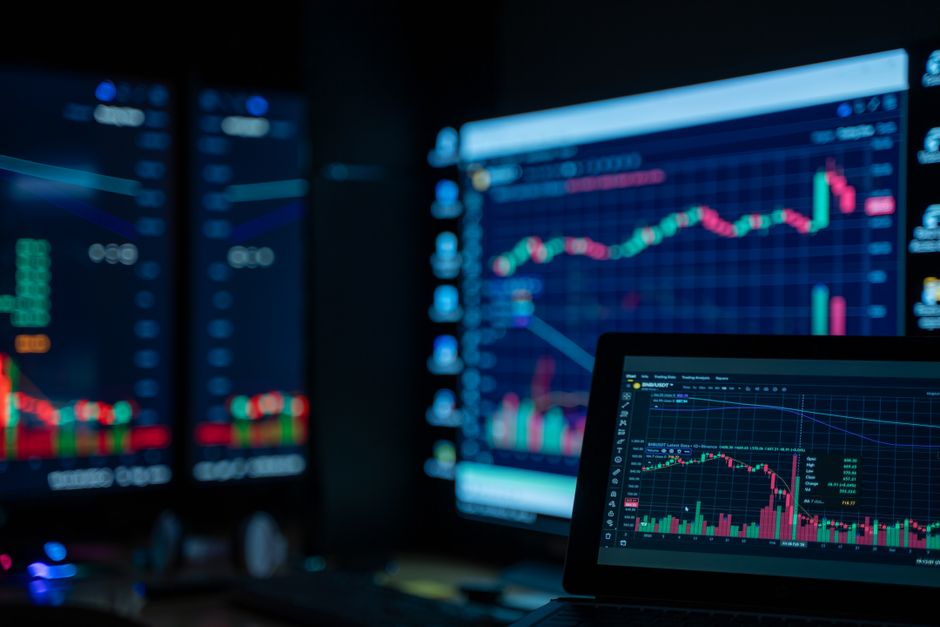
Think of it like a heartbeat monitor for the market: a calm, steady line indicates low volatility, but a jagged, erratic line signifies high volatility. A common gauge is the CBOE Volatility Index, or VIX, often called the “fear index.” When the VIX is high, it signals that investors expect significant price swings in the near future, reflecting heightened uncertainty or fear. For example, during the initial COVID-19 market panic in March 2020, the VIX spiked to levels not seen since the 2008 financial crisis, reflecting extreme investor apprehension.
The Causes of Market Volatility
Market fluctuations aren’t random; they are driven by a complex interplay of factors, often creating a domino effect. Understanding these drivers is the first step in preparing for their impact:
- Economic Data Releases: Surprises in inflation reports, GDP figures, unemployment rates, or central bank interest rate decisions can send markets reeling. For instance, an unexpected hike in interest rates by the Federal Reserve often triggers selling in equity markets as borrowing costs rise and future earnings are discounted more heavily.
- Geopolitical Events: Wars, political instability, trade disputes, or even major elections can introduce significant uncertainty. The Russian invasion of Ukraine, for example, sent shockwaves through global energy and commodity markets, driving up prices and creating broad market instability.
- Company-Specific News: Earnings surprises, product recalls, management changes, or major regulatory actions can cause severe price swings for individual stocks and, if the company is large enough, impact broader sectors or indices.
- Investor Sentiment and Psychology: Often overlooked, collective investor emotions — fear, greed, euphoria, panic — can amplify market movements. Social media trends and speculative bubbles, as seen during the GameStop frenzy, can temporarily detach asset prices from their fundamentals.
- Global Crises: Pandemics, natural disasters, or systemic financial crises (like the 2008 global financial crisis) are often referred to as ‘black swan’ events. These unpredictable, high-impact events can trigger widespread selling and sustained periods of high volatility across all asset classes.
Historically, the S&P 500 has averaged an intra-year decline of about 14% since 1980, yet it has finished positive in 33 out of 43 of those years. This statistic powerfully illustrates that corrections are normal, and markets tend to recover and grow over the long term.
The Psychological Impact of Market Volatility on Investors
While economic fundamentals dictate long-term trends, short-term market movements are heavily influenced by the human element. The immediate reaction to market volatility often stems from deep-seated psychological biases that can sabotage even the most well-laid investment plans.
Fear and Greed: The Emotional Rollercoaster
When markets are soaring, greed can take over, leading to irrational exuberance and a fear of missing out (FOMO). Investors might chase returns, buying into overvalued assets simply because everyone else is. Conversely, when markets plummet, fear can trigger panic selling, causing investors to lock in losses at precisely the wrong time. This emotional seesaw is a classic example of behavioral economics in action.
During significant downturns, such as the Dot-com bubble burst in the early 2000s, many investors abandoned their tech holdings after substantial declines, only to miss the subsequent multi-year recovery. The emotional toll of watching your portfolio shrink can be immense, often clouding rational judgment and leading to decisions that contradict your long-term goals.
Avoiding Common Behavioral Biases
Recognizing and countering your own biases is crucial for navigating volatile markets:
- Loss Aversion: The pain of a loss is often felt more intensely than the pleasure of an equivalent gain. This can lead investors to hold onto losing positions too long, hoping for a recovery, or to sell winning positions too early to secure a small profit.
- Confirmation Bias: Seeking out information that confirms your existing beliefs while ignoring contradictory evidence. In a volatile market, this might mean only reading articles that support your pessimistic outlook, reinforcing panic.
- Herd Mentality: The tendency to follow the actions of a larger group, even if those actions are irrational. This is particularly prevalent during bubbles and crashes.
- Anchoring: Over-relying on the first piece of information encountered (the ‘anchor’) when making decisions. For example, fixating on a stock’s historical high price even after its fundamentals have deteriorated.
A disciplined approach, built on a strong investment philosophy, acts as a powerful antidote to these inherent human tendencies.
Strategic Responses to Market Volatility for Long-Term Growth
Instead of fearing market volatility, smart investors learn to respect it and integrate strategies that turn its unpredictability into an advantage. Here are key approaches to not just survive, but thrive, during turbulent times.
The Power of Portfolio Diversification
One of the most fundamental principles of investing, diversification is your first line of defense against volatility. Spreading your investments across various asset classes, industries, and geographies reduces the impact of a downturn in any single area. If one part of your portfolio is struggling, another might be performing well, evening out overall returns. (See also: Navigating Your Portfolio: Understanding Bull and Bear Markets)
Consider diversifying beyond traditional stocks and bonds into real estate, commodities, or even alternative investments. As an emerging markets specialist, I often highlight the importance of geographical diversification. While emerging markets can exhibit higher individual volatility, their long-term growth potential and often uncorrelated performance with developed markets can enhance overall portfolio resilience and returns. For example, during a period of stagnation in developed economies, dynamic economies in Asia or Latin America might offer robust growth opportunities, providing a valuable counterbalance.
Embracing a Long-Term Investing Mindset
Short-term market noise is just that – noise. Successful investors focus on the horizon, not the daily ripples. A long-term investing approach, often spanning decades, allows you to ride out temporary downturns and benefit from the powerful effect of compounding returns. Strategies like dollar-cost averaging, where you invest a fixed amount regularly regardless of market conditions, are particularly effective during volatile periods. This strategy ensures you buy more shares when prices are low and fewer when prices are high, lowering your average cost over time.
Warren Buffett famously advised: "Be fearful when others are greedy and greedy when others are fearful." This sentiment encapsulates the long-term investor’s advantage during periods of market volatility.
Robust Risk Management Techniques
Effective risk management is about understanding your personal risk tolerance and structuring your portfolio accordingly. This involves setting clear asset allocation targets based on your age, financial goals, and comfort level with potential losses. An emergency fund, typically 3-6 months of living expenses held in easily accessible cash, is also a critical component. It prevents you from being forced to sell investments at a loss to cover unexpected expenses during a market downturn.
For more active investors, techniques like setting stop-loss orders can limit potential losses on individual positions, though they shouldn’t be relied upon exclusively as they can trigger sales during temporary dips. Regularly reviewing and adjusting your asset allocation to ensure it aligns with your evolving risk profile is also essential.
Rebalancing and Opportunity
Periods of high volatility often present unique buying opportunities. When the market experiences a significant correction, quality assets may become undervalued. A disciplined rebalancing strategy involves periodically adjusting your portfolio back to its target asset allocation. If stocks have performed exceptionally well, you might sell some to buy more bonds. Conversely, if stocks have fallen sharply, you might buy more, effectively buying low and selling high.
This counter-cyclical approach requires courage but can significantly boost long-term returns. It means having the conviction to invest when others are pulling back, focusing on strong fundamentals rather than panicked headlines.
Staying Informed, Not Overwhelmed
While it’s important to stay abreast of global events and key economic indicators, avoid obsessive monitoring of your portfolio or financial news. Differentiate between reliable, fact-based analysis and sensationalist headlines. Focus on macroeconomic trends, company fundamentals, and your long-term investment thesis. Over-exposure to constant market updates can fuel anxiety and lead to impulsive decisions.
Instead, carve out specific times to review your portfolio and financial news, perhaps weekly or monthly, rather than daily. This structured approach helps maintain perspective and reduces the emotional impact of short-term swings.
Market volatility is an inherent and unavoidable feature of investing. It’s not a bug; it’s a feature of how markets operate, driven by information, sentiment, and economic realities. For investors, the correct response is not to fear it, but to understand it, respect it, and leverage it through disciplined strategies. As someone who has spent years analyzing global markets, particularly the dynamic landscapes of emerging economies, I can attest that resilience, strategic planning, and an unwavering focus on the long term are your most valuable assets.
By embracing portfolio diversification, maintaining a long-term perspective, practicing robust risk management, and learning to identify opportunities during downturns, you can transform market volatility from a source of anxiety into a powerful catalyst for achieving your financial goals. Stay informed, stay calm, and stick to your plan – your future self will thank you.
❓ Frequently Asked Questions
What causes market volatility?
Market volatility is primarily caused by economic data releases (e.g., inflation, GDP), geopolitical events (e.g., wars, trade disputes), company-specific news (e.g., earnings, product recalls), and shifts in investor sentiment (fear and greed).
Is market volatility bad for investors?
While high market volatility can be unsettling due to rapid price swings, it’s not inherently ‘bad.’ It’s a normal part of market cycles and often presents opportunities for long-term investors to buy quality assets at lower prices. Short-term traders might find it challenging, but patient investors can benefit.
How can I protect my portfolio from volatility?
Key strategies to protect your portfolio include diversification across various asset classes and geographies, maintaining a long-term investment horizon, practicing dollar-cost averaging, having a robust emergency fund, and periodically rebalancing your portfolio.
Should I sell my investments during high volatility?
Generally, panic selling during high volatility is not advisable as it often locks in losses and causes investors to miss potential market recoveries. Unless your financial situation or investment goals have fundamentally changed, it’s often better to stick to your long-term plan, rebalance, or even consider buying undervalued assets.
What is the VIX index?
The VIX, or CBOE Volatility Index, is a real-time market index that represents the market’s expectation of future volatility over the next 30 days. It’s often referred to as the ‘fear index’ because higher VIX values typically indicate greater investor fear or uncertainty about market conditions.


0 Comments