

In today’s hyper-competitive startup landscape, simply having a great product or service isn’t enough to guarantee success. What truly sets emerging companies apart, captivates audiences, and fosters lasting connections is a powerful and memorable brand. For startups with limited resources, the idea of building a strong brand identity might seem like an insurmountable financial hurdle, but I’m here to tell you it’s not only possible but essential. You can forge a compelling brand presence without emptying your seed round funds, and in fact, smart, strategic branding can be your most potent weapon.
📋 Table of Contents
Many founders mistakenly believe that branding is solely about a logo or an expensive advertising campaign. As someone who has watched countless companies rise and fall over 12 years on Wall Street, I can assure you that branding is far more profound. It’s the sum total of every interaction your customer has with your business — the emotion, the perception, the promise. It’s the very soul of your startup. And the good news? With creativity, consistency, and a clear understanding of your core values, you can achieve remarkable cost-effective branding that resonates deeply with your target market.
Defining Your Core: The Foundation of a Strong Brand Identity
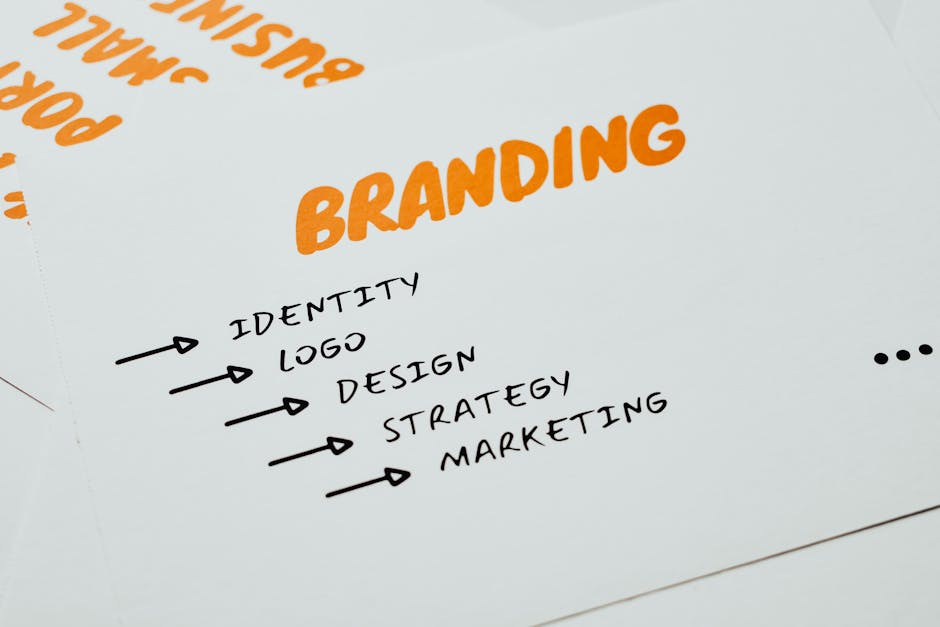
Before you even think about colors or fonts, you must first articulate the very essence of your startup. This foundational work is the bedrock upon which all subsequent branding efforts will rest, and it costs nothing but time and honest introspection. You need to understand who you are, what you stand for, and why you exist beyond making a profit. This clarity is paramount when you’re building a strong brand identity from the ground up. (See also: Unlocking Wealth: Your Guide to the Compound Interest Calculator)
Unearthing Your Brand Story and Unique Selling Proposition
Every successful brand has a compelling narrative. What’s your startup’s origin story? What problem are you solving, and why does it matter to you personally? Crafting a powerful brand story provides an emotional hook that statistics and features alone can’t replicate. Think about Patagonia’s commitment to environmental activism or Warby Parker’s mission to make eyewear accessible and stylish. These stories aren’t just marketing fluff; they are integral to their identity and resonate deeply with their customers.
Equally important is defining your unique selling proposition (USP). What makes you different? Why should customers choose you over the competition? Is it superior quality, unparalleled customer service, disruptive technology, or a unique approach to an existing problem? Your USP isn’t just a tagline; it’s the core promise that differentiates you. Articulating this clearly will guide all your messaging and ensure every touchpoint reinforces what makes you special. Without a clear USP, your brand risks blending into the background, a luxury no startup can afford.
Establishing Your Vision, Mission, and Values
Your vision statement articulates your long-term aspirations – where you see your company in the future. Your mission statement defines your purpose today – what you do, for whom, and why. Your values are the guiding principles that dictate your behavior and decision-making. These three elements form your brand’s ethical and strategic compass. They inform your tone of voice, your content strategy, and even your hiring decisions.
“Studies show that consistent brand presentation across all platforms can increase revenue by up to 23%.” – Lucidpress
This consistency begins with a clearly defined vision, mission, and set of values. When these are authentic and consistently communicated, they build trust and resonate with customers who share similar beliefs. This alignment is a powerful driver of customer loyalty, converting first-time buyers into long-term advocates. (See also: Avoiding Common Mistakes: First-Time Entrepreneurs Can Thrive)
Strategic Execution: Building a Strong Brand Identity on a Lean Budget
Once your foundation is solid, it’s time to translate that essence into tangible brand elements. This doesn’t require a Madison Avenue budget. Smart allocation of resources and a focus on consistency will yield significant returns.
Crafting Visual and Verbal Identity with Purpose
Your visual identity includes your logo, color palette, typography, and imagery. While a professionally designed logo can be an investment, platforms like Canva, 99designs (for contests), or even skilled freelance designers found on Upwork or Fiverr can offer affordable options. The key is to ensure these elements visually represent your brand’s personality – sophisticated, playful, innovative, trustworthy – and are consistent across all platforms. Don’t chase fleeting trends; aim for timelessness and relevance to your core identity.
Your verbal identity, or brand voice, is equally critical. Are you formal or informal? Humorous or serious? Authoritative or approachable? This voice should be consistent in all communications, from your website copy and social media posts to customer service emails. A distinctive voice helps your audience recognize and connect with your brand, fostering a sense of familiarity and reliability. Remember, authenticity is key; 88% of consumers say authenticity is a major factor in brand preference.
Leveraging Free and Low-Cost Digital Marketing Strategies
In the digital age, a robust digital marketing strategy is the cornerstone of cost-effective branding. Social media platforms, email marketing, and content creation offer incredible reach without hefty advertising spends. Focus on platforms where your target audience spends their time. Don’t try to be everywhere; be strategic.
- Content Marketing: Create valuable blog posts, articles, videos, or infographics that address your audience’s pain points and showcase your expertise. This builds authority and organic visibility.
- Social Media Engagement: Don’t just broadcast; engage. Respond to comments, participate in relevant conversations, and build a community around your brand.
- Email Marketing: Build an email list and nurture leads with personalized, valuable content. It’s one of the highest ROI marketing channels.
- SEO Basics: Optimize your website content with relevant keywords to improve search engine rankings, driving organic traffic to your site.
Every piece of content, every post, and every email is an opportunity to reinforce your brand identity and communicate your unique value proposition. This consistent effort across various channels ensures that your brand message is heard and remembered, which is crucial given that it takes 5 to 7 impressions for people to recall a brand.
Cultivating Connections and Fostering Customer Loyalty
A strong brand isn’t just about what you say; it’s about how you make people feel. Exceptional customer experience is a powerful, low-cost branding tool that builds genuine connections and drives customer loyalty.
Building Community and Trust Through Interaction
Encourage user-generated content, run contests, or create online groups where your customers can connect with each other and your brand. This not only provides social proof but also makes your customers feel valued and heard. Respond promptly and empathetically to feedback, both positive and negative. Transparency and responsiveness build immense trust, which is priceless for a startup. When customers feel like part of a community, they become your most passionate advocates, spreading word-of-mouth far more effectively than any paid advertisement.
Consider the rise of brands like Glossier, which built an empire on community and user-generated content, or how local coffee shops often foster deep connections through personalized service and a welcoming atmosphere. These are not multi-million dollar campaigns; they are genuine interactions that build brand equity over time. Remember, it costs significantly more to acquire a new customer than to retain an existing one, making customer loyalty a financially smart branding objective.
Measuring Impact and Iterating for Growth
Even on a budget, you can measure the effectiveness of your branding efforts. Utilize free analytics tools for your website and social media to track engagement, reach, and sentiment. Conduct simple surveys or polls to gather direct feedback on brand perception. Pay attention to reviews and mentions across the web.
Branding is not a static exercise; it’s an ongoing process of refinement. Be prepared to iterate based on data and feedback. What resonates today might need tweaking tomorrow. This agility is a significant advantage for startups. By continuously listening to your audience and adapting your approach, you ensure your brand remains relevant, authentic, and continues to grow alongside your business. This iterative process, driven by customer insight, is a hallmark of successful, enduring brands.
The journey of building a strong brand identity for your startup on a budget is undoubtedly challenging, but it’s also incredibly rewarding. It forces you to be resourceful, creative, and deeply connected to your core values and your audience. From my vantage point observing market dynamics for over a decade, I’ve seen that the brands that truly break through are those that understand their essence, communicate it consistently, and foster genuine relationships. They don’t just sell products; they sell experiences, values, and a sense of belonging.
Your brand is your promise, your reputation, and your greatest asset. Invest your time, creativity, and strategic thinking into it, and you’ll find that a powerful identity can be forged not with endless capital, but with unwavering commitment and a clear vision. Start today, define who you are, articulate your unique value, and consistently deliver on that promise. The market is waiting for your story.
❓ Frequently Asked Questions
What is brand identity for a startup?
Brand identity for a startup is the visual, verbal, and experiential expression of its unique values, mission, and personality. It encompasses elements like logos, colors, tone of voice, and the overall impression a business makes on its audience, helping it stand out and build recognition.
How can a startup build brand identity without a large budget?
Startups can build brand identity on a budget by focusing on defining their core brand story and unique selling proposition, leveraging free or low-cost digital marketing tools (like social media and content marketing), ensuring consistent messaging, and prioritizing exceptional customer service to foster loyalty and word-of-mouth.
What are the most crucial elements of a strong brand identity?
The most crucial elements include a clear brand story, a unique selling proposition (USP), defined vision, mission, and values, a consistent visual identity (logo, colors, typography), and a distinctive brand voice. These elements must work in harmony to create a cohesive and memorable perception.
Why is customer loyalty important for building a brand?
Customer loyalty is vital because loyal customers not only provide recurring revenue but also become brand advocates through positive word-of-mouth. This organic promotion is incredibly cost-effective for startups, building trust and expanding reach more genuinely than paid advertising alone.
How can digital marketing help in building a strong brand identity on a budget?
Digital marketing offers numerous cost-effective avenues such as content marketing (blogging, videos), social media engagement, email marketing, and basic SEO. These strategies allow startups to reach target audiences, share their brand story, build community, and establish authority without significant advertising expenditure.




0 Comments