

When we look at the dynamic forces shaping global investment, the ongoing transformations within the Greek economic landscape stand out as a compelling narrative. It’s a complex tapestry woven with threads of political contestation, critical infrastructure developments, and an increasingly prominent role for international capital, notably from India.
📋 Table of Contents
As a seasoned observer of emerging markets, I’ve always found Greece to be a fascinating case study – a nation at the crossroads of Europe, the Balkans, and the Eastern Mediterranean, continually redefining its economic identity. From the fierce competition for centrist voters to the strategic implications of major infrastructure projects, the developments in Greece today offer a microcosm of the challenges and opportunities inherent in Europe’s southern flank. We’ll unpack these elements, assessing their potential impact on both local stability and broader investment sentiment.
Political Currents and the Greek Economic Landscape
The political arena in Greece is currently a whirlwind of activity, with significant implications for the nation’s economic trajectory. The battle for centrist voters is intensifying, as traditional party lines blur and new political identities emerge. This struggle is not merely about electoral victories; it’s about shaping the legislative agenda, influencing fiscal policy, and ultimately, dictating the pace of reforms that are crucial for sustained growth in the Greek economic landscape. We are witnessing an intense rhetorical skirmish over the ‘soul’ of the Right, alongside a compelling rivalry between figures like Tsipras and Androulakis for the leadership of the centre-left.
This political fluidity, while democratic, introduces an element of uncertainty that investors meticulously track. Policy stability is a premium in emerging markets, and Greece is no exception. For instance, recent government plans to ease energy costs, while offering immediate relief to households and businesses, must be balanced against the nation’s broader fiscal commitments and long-term energy transition goals. These populist measures, however well-intentioned, can sometimes obscure the need for deeper structural reforms. Analysts are closely watching how these political maneuvers translate into concrete economic policy, especially concerning budget deficits and public debt management, which remain critical vulnerabilities for the Hellenic Republic.
The pursuit of centrist voters signifies a recognition by political parties that broad appeal is essential for governing effectively. This often translates into policies that aim to balance social welfare with economic competitiveness. However, the risk lies in a potential deadlock or a dilution of necessary, albeit unpopular, reforms. Maintaining a consistent path towards fiscal responsibility and an attractive investment climate requires a strong, stable political mandate, something that is currently being fiercely contested on multiple fronts. The outcomes of these internal political battles will undoubtedly cast a long shadow over Greece’s economic direction in the coming years.
Infrastructure Challenges and Global Partnerships
Beyond the political headlines, the practicalities of economic development are playing out on the ground, notably with vital infrastructure projects. The stalled Athens Metro project in Kypseli, for instance, serves as a stark reminder of the hurdles that can impede progress even in strategically important urban centers. This particular delay, reportedly due to unforeseen geological complexities and bureaucratic bottlenecks, underscores the challenges in executing large-scale public works. However, the mention of a ‘Lord to Rescue’ this project hints at the potential for innovative financing and public-private partnerships (PPPs) to unlock such stalemates.
The involvement of prominent figures or consortia, often backed by international capital, can provide the necessary impetus and expertise to navigate these complex projects. Such interventions are crucial not just for completing individual initiatives like the Athens Metro, but for signalling a commitment to modernizing Greece’s infrastructure network more broadly. We’ve seen similar models succeed in other emerging markets where significant capital injection and specialized management were required to revitalize stalled projects. A successful resolution for Kypseli could set a valuable precedent for future infrastructure ventures across the country, attracting further foreign direct investment.
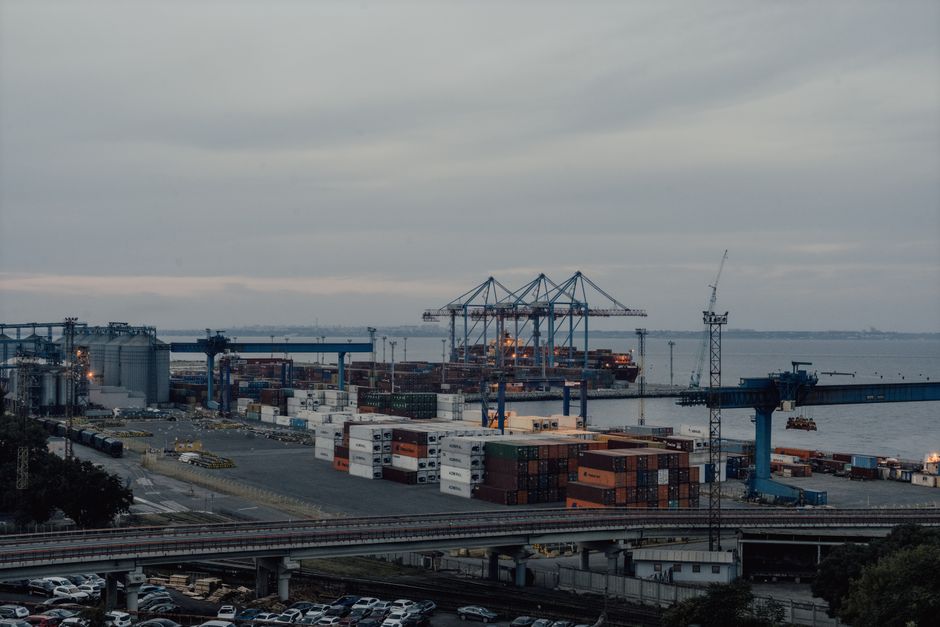
Furthermore, the broader context of infrastructure development in Greece extends to its crucial port facilities. As a maritime nation, Greece’s ports are vital conduits for trade between Europe, Asia, and Africa. Enhanced port infrastructure, coupled with efficient logistics, can significantly boost Greece’s standing as a regional hub. We’ve observed that countries that strategically invest in their infrastructure, even with initial delays, tend to reap substantial long-term economic benefits, including job creation, increased trade volumes, and greater integration into global supply chains. This is particularly relevant as Greece seeks to solidify its position within the broader European and global economic framework.
Indian Interest and the Evolving Greek Economic Landscape
Perhaps one of the most intriguing developments in the current scenario is the escalating Indian interest in Greek ports and other strategic assets. This is not merely a transactional curiosity but a significant indicator of Greece’s growing geopolitical and economic relevance, particularly within the context of global trade routes. Indian corporations, driven by the nation’s expansive economic growth and its strategic ‘Look West’ policy, are actively seeking to diversify their global footprints and secure crucial logistical choke points. Greek ports, with their strategic location, offer precisely that.
This surge of Indian interest represents a crucial vote of confidence in the Greek economic landscape. We are seeing proposals for substantial investments, potentially running into hundreds of millions of euros, aimed at upgrading port facilities, improving cargo handling capabilities, and establishing new logistics hubs. For instance, reports suggest that major Indian conglomerates are eyeing stakes in key Greek ports, potentially transforming them into vital nodes for India’s trade with Europe and beyond. This development could lead to a significant boost in foreign direct investment, job creation, and the transfer of advanced logistical technologies to Greece, further integrating it into the global maritime economy.
Beyond ports, there’s also movement in the financial sector, with significant banking deals underway. These deals, whether they involve mergers, acquisitions, or capital injections, are essential for strengthening the Greek banking system, improving liquidity, and enabling banks to support domestic businesses more effectively. A robust banking sector is the bedrock of any healthy economy, and these developments signal a return of confidence among international investors in Greece’s financial stability. As an emerging markets specialist, I view these cross-border investment flows and banking sector consolidations as positive indicators, suggesting a maturing economic environment capable of attracting and absorbing substantial foreign capital. (See also: Mastering Technical Analysis Basics: Candlesticks, RSI, and MACD Explained)
The multifaceted challenges and opportunities facing Greece today are a testament to its ongoing economic transformation. From the intricate dance of political power to the tangible progress in infrastructure and the burgeoning Indian interest in its strategic assets, the Greek economic landscape is undeniably dynamic. It presents a fascinating case for investors willing to look beyond immediate headlines and appreciate the long-term potential of a nation committed to reform and integration.
As Ryan Foster, I’ve spent my career analyzing how global forces intersect with local realities in emerging markets, and Greece offers a compelling example of this interplay. The path forward will undoubtedly have its bumps, but the underlying momentum towards greater economic stability and international engagement appears strong. For those monitoring Europe’s southern periphery, Greece offers a unique blend of historical resilience and future-oriented ambition.
Ultimately, the story of the Greek economic landscape is one of continuous evolution. It’s a story that demands attention, not just for the challenges it faces, but for the robust opportunities it presents for strategic investment and partnership. We should continue to watch closely how these political, infrastructural, and international threads weave together to shape Greece’s next chapter on the global economic stage, inspiring further action and engagement. (See also: Unpacking the Impact: How Quarterly Earnings Reports Move Stock Prices)
❓ Frequently Asked Questions
What are the main political challenges impacting the Greek economic landscape?
The Greek economic landscape is influenced by intense political battles for centrist voters, a rhetorical debate over the Right’s ‘soul’, and rivalries between key political figures like Tsipras and Androulakis. These dynamics can lead to policy uncertainty, affecting investor confidence and the pace of crucial economic reforms.
How is infrastructure development progressing in Greece, particularly with the Athens Metro?
Major infrastructure projects, such as the Athens Metro extension in Kypseli, face delays due to various challenges, including geological complexities and bureaucratic hurdles. However, there’s growing interest in public-private partnerships, potentially involving prominent figures or consortia, to accelerate and finance these vital developments, signalling a commitment to modernization.
Why is there significant Indian interest in Greek ports?
Indian interest in Greek ports is driven by India’s expansive economic growth and its strategic ‘Look West’ policy, seeking to secure crucial logistical points for trade. Greece’s geographically strategic ports offer a gateway for India’s trade with Europe and beyond, attracting substantial investment for upgrades and new logistics hubs.
What role do banking deals play in Greece’s economic recovery?
Banking deals, including mergers, acquisitions, and capital injections, are crucial for strengthening the Greek banking system. These transactions improve liquidity, enhance financial stability, and enable banks to more effectively support domestic businesses and drive economic growth, signalling renewed confidence among international investors.
What makes Greece an interesting emerging market for investors?
Greece is an intriguing emerging market due to its strategic location at the crossroads of Europe and Asia, ongoing political and economic reforms, and increasing foreign direct investment, particularly from nations like India. Its efforts in modernizing infrastructure and stabilizing its financial sector offer significant long-term growth potential for strategic investors.


0 Comments